

Notes: All timings are represented in 12-hour notation in local time of New Delhi, India with DST adjustment (if applicable).
Hours which are past midnight are suffixed with next day date. In Panchang day starts and ends with sunrise.
Sheetala Saptami is observed one day before Sheetala Ashtami. According to the Purnimanta Hindu Panchang, Sheetala Saptami is observed on the Saptami Tithi of the Krishna Paksha of the Chaitra month. According to the Amanta Hindu Panchang, this Tithi falls during the Krishna Paksha of the Phalguna month. However, here the difference is only in the names of the Panchang; otherwise, this festival is observed on the same day in both Panchang. According to the Gregorian Calendar, this festival falls in the month of March or April.
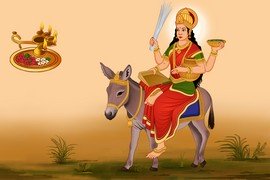
The festival of Sheetala Saptami is dedicated to Goddess Sheetala and is observed as a part of Sheetala Ashtami. Sheetala Ashtami is commonly known as Basoda because on this day stale food preparations are offered to Goddess Sheetala. Therefore, all the dishes that are to be offered to Sheetala Mata on Basoda are prepared one day earlier on Sheetala Saptami. This festival is mainly observed in North India, in states such as Rajasthan, Uttar Pradesh, Bihar, Gujarat and Madhya Pradesh. On this day, devotees observe fasts and perform various religious rituals while praying to Goddess Sheetala for good health and protection from different diseases.
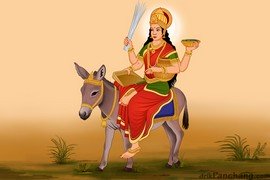
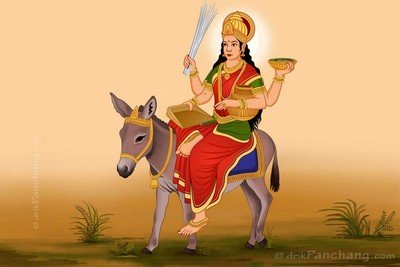
According to beliefs, Goddess Sheetala is considered to be a divine form of Goddess Parvati. Goddess Sheetala is depicted holding a broom, a Kalasha and Neem leaves in Her hands, which symbolize cleanliness, coolness and protection from diseases.
According to descriptions found in religious scriptures such as the Bhavishya Purana and the Skanda Purana, Goddess Sheetala grants good health to Her devotees and protects them from contagious diseases. By worshipping Goddess Sheetala, one attains relief from various skin and leprosy-related diseases such as smallpox, boils and eruptions. A person who duly and faithfully worships Goddess Sheetala and observes Her Vrat becomes free from burning fever, yellow fever, eruptive diseases, boils, marks of Mata eruptions, all types of eye diseases and other skin-related infections in his lineage.
The festival of Sheetala Saptami is observed with great devotion and reverence by the followers of the Hindu religion. On this day devotees observe either Nirjala or Phalahara fast according to their capability. In order to receive the blessings of the Divine Mother, devotees visit Her temples for Darshana. On this occasion special worship rituals are performed in the temples of Goddess Sheetala.
The dishes that are to be offered to Goddess Sheetala on Basoda, that is Sheetala Ashtami, are prepared one day earlier on Sheetala Saptami. According to beliefs, lighting a stove or cooking fresh food on the day of Basoda is prohibited. Therefore, devotees prepare the food one day earlier on Sheetala Saptami and on Sheetala Ashtami, they offer it to the Goddess Sheetala and consume it as Prasada.
In North India, dishes such as Dahi Vada, Pakodi, Chaat-Papadi, Puri and Pua are mainly offered to Goddess Sheetala on the occasion of Basoda. In addition, cooling food items such as curd, rice, jaggery and buttermilk are also offered as Bhoga. In regions such as Rajasthan and Marwar, Bajra Roti, Bajra Khichdi and Kheer are traditionally offered to the Devi Mata. This festival occurs during the transitional period from winter to summer. According to traditional beliefs, skin diseases such as smallpox and Mata were more prevalent during this time. Therefore, by observing the fast and consuming cooling foods along with the use of Neem and turmeric, the possibility of infection is reduced.
Here the general and popularly practiced Puja Vidhi of Sheetala Saptami is described. The method of worship may vary according to regional traditions and family customs.