



En



Sunrise06:20 AM
Sunset07:28 PM
Moonrise04:19 PM
Moonset02:50 AM, Aug 26
Shaka Samvat1937 Manmatha
Vikram Samvat2072 Kilaka
Gujarati Samvat2071 Parabhava
Amanta MonthShravana
Purnimanta MonthShravana
WeekdayMangalawara
PakshaShukla Paksha
TithiEkadashi upto 11:10 PM
YogaPriti upto 06:59 PM
KaranaVanija upto 11:59 AM
KaranaVishti upto 11:10 PM
Pravishte/Gate10
Rahu Kalam04:11 PM to 05:50 PM
Gulikai Kalam12:54 PM to 02:33 PM
Yamaganda09:37 AM to 11:16 AM
Abhijit12:28 PM to 01:21 PM
Dur Muhurtam08:58 AM to 09:51 AM
Dur Muhurtam11:50 PM to 12:33 AM, Aug 26
Amrit Kalam04:54 AM, Aug 26 to 06:26 AM, Aug 26
Varjyam08:54 AM to 10:29 AM
Varjyam07:42 PM to 09:14 PM
Notes: All timings are represented in 12-hour notation in local time of Lancaster, United States with DST adjustment (if applicable).
Hours which are past midnight are suffixed with next day date. In Panchang day starts and ends with sunrise.
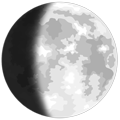


 Kumbha 16:08
 P Bhadrapada 21:26MakaraU Ashadha 21:24
 KumbhaDhanishtha 16:49Kumbha 06:42P Bhadrapada 12:09MeenaU Bhadrapada 10:08Meena 08:27Revati 08:27MeshaAshwini 07:10Mesha 12:11Bharani 06:20VrishabhaRohini 30:00+MithunaMrigashira 06:31KarkaPunarvasu 08:53SimhaMagha 15:37KanyaHasta 24:53+Tula 26:14+Swati 06:35VrishchikaVishakha 08:42VrishchikaAnuradha 10:06Vrishchika 10:42Jyeshtha 10:42MakaraU Ashadha 07:50KumbhaShatabhisha 24:15+
In Hindu Calendar, the day starts with local sunrise and ends with next day local sunrise. As sunrise time is different for all cities, Hindu Calendar made for one city is not valid for any other city. Hence it is important to use location based Hindu Calendar, like this website. Further, each Hindu day consists of five elements, which are called angas. These five elements are -
In Hindu Calendar, all five elements together are called Panchang. (In Sanskrit: Panchang = Pancha (five) + Ang (part)). Hence Hindu Calendar which shows all five elements for each day is called Panchang. In South India Panchang is known as Panchangam.
When Hindu Calendar includes Muslims, Sikh, Christian, Buddhist and Jain festivals, including national holidays, it is called as Indian Calendar.
The Muhurat of Shubh Yoga formed by Sunday and Pushya Nakshatra is available on this page. This Yoga is considered suitable for auspicious works and buying precious items.
Ganda Mool Nakshatra dates and time is listed for the entire year. According to Vedic astrology, Ashwini, Ashlesha, Magha, Jyeshtha, Mula and Revati Nakshatras are known as Ganda Mool Nakshatras. Babies born in these Nakshatras have a special influence on the lives of their family members.
This Yoga doubles the effect of any event. This Yoga is formed by the combination of particular Tithi, Nakshatra and weekday. All Dwipushkar Yoga Muhurat falling throughout the year are made available on this page.
The Beginning and End of Bhadra is given for each month of the year. Bhadra is also known as Vishti Karana. During Bhadra, all kind of auspicious activities like Mundan, Marriage, Housewarming, Pilgrimage and starting a New Business, etc are forbidden.
The list of 'Ravi Yoga' formed by the auspicious position of Sun and Moon in every month is made available here. Auspicious works done during this period are successful.
The special Yoga created by the transit of the Chandra in Kumbha and Meena Rashi with the Dhanishta, Shatabhisha, Purva Bhadrapada, Uttara Bhadrapada and Revati Nakshtra is called Panchak. The inauspicious period of 5 days of Panchak is prohibited for auspicious works.
Download Hindu Calendar PDF