


En



Sunrise06:39 AM
Sunset04:35 PM
Moonrise06:18 PM
Moonset08:34 AM
Shaka Samvat1941 Vikari
Vikram Samvat2076 Paridhavi
Gujarati Samvat2076 Virodhakrit
Amanta MonthKartika
Purnimanta MonthMargashirsha
WeekdayGuruwara
PakshaKrishna Paksha
TithiDwitiya upto 09:25 AM
YogaShiva upto 09:36 PM
KaranaGaraja upto 09:25 AM
KaranaVanija upto 09:23 PM
MoonsignVrishabha upto 12:33 AM, Nov 15
Rahu Kalam12:52 PM to 02:06 PM
Gulikai Kalam09:08 AM to 10:23 AM
Yamaganda06:39 AM to 07:54 AM
Abhijit11:17 AM to 11:57 AM
Dur Muhurtam09:58 AM to 10:38 AM
Dur Muhurtam01:56 PM to 02:36 PM
Amrit Kalam09:00 AM to 10:39 AM
Amrit Kalam03:46 AM, Nov 15 to 05:24 AM, Nov 15
Varjyam06:00 PM to 07:38 PM
Notes: All timings are represented in 12-hour notation in local time of Fairfield, United States with DST adjustment (if applicable).
Hours which are past midnight are suffixed with next day date. In Panchang day starts and ends with sunrise.



 Tula
Tula Chitra 17:48

 VrishchikaAnuradha 12:30Vrishchika 12:02Jyeshtha 12:02MakaraU Ashadha 14:26Kumbha 19:00P Bhadrapada 25:43+
 VrishabhaKrittika 11:32Vrishabha 24:33+Rohini 12:18KarkaPunarvasu 12:30KarkaPushya 11:52SimhaMagha 09:35Simha 13:34P Phalguni 08:00TulaSwati 24:28+DhanuMula 21:05Dhanu 28:04+P Ashadha 21:47MakaraU Ashadha 23:11
In Hindu Calendar, the day starts with local sunrise and ends with next day local sunrise. As sunrise time is different for all cities, Hindu Calendar made for one city is not valid for any other city. Hence it is important to use location based Hindu Calendar, like this website. Further, each Hindu day consists of five elements, which are called angas. These five elements are -
In Hindu Calendar, all five elements together are called Panchang. (In Sanskrit: Panchang = Pancha (five) + Ang (part)). Hence Hindu Calendar which shows all five elements for each day is called Panchang. In South India Panchang is known as Panchangam.
When Hindu Calendar includes Muslims, Sikh, Christian, Buddhist and Jain festivals, including national holidays, it is called as Indian Calendar.
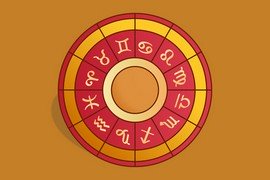
Pushya is an auspicious Nakshatra and when it falls on Sunday it forms highly auspicious Ravi Pushya Yoga

check Ganda Mool Nakshatra dates and time
check Dwipushkar Yoga dates
check Bhadra dates
check Ravi Yoga dates
an inauspicious period of 5 days

Download Hindu Calendar PDF