



En



Notes: All timings are represented in 12-hour notation in local time of Lancaster, United States with DST adjustment (if applicable).
Hours which are past midnight are suffixed with next day date. In Panchang day starts and ends with sunrise.
Chaturthi Shraddha is done for those deceased family members who died on Chaturthi Tithi, including both Shukla and Krishna Paksha Chaturthi.
Chaturthi Shraddha is also known as Chauth Shraddha.
Pitru Paksha Shraddhas are Parvan Shraddhas (पार्वण श्राद्ध) and auspicious time to perform them is either Kutup Muhurat and Rohina etc. Muhurat after that till Aparahna Kala gets over. Tarpan (तर्पण) is done at the end of the Shraddha.
Chaturthi Shraddha is a special ritual performed on the fourth day, i.e., Chaturthi Tithi of the Pitru Paksha. According to Hindu scriptures, each Tithi has its own specific significance, and performing Shraddha on the same Tithi on which a forefather passed away is considered most auspicious. If a forefather departed on the Chaturthi Tithi, then performing Shraddha, Pinda Daan and Tarpan on this day is scripturally prescribed and highly meritorious.
If the exact Tithi of the forefather's demise is not known, then a Shraddha may be performed on the day of Sarva Pitru Amavasya following proper rituals. However, conducting the Shraddha on the correct Tithi yields greater spiritual benefits. Those who perform Chaturthi Shraddha are blessed by the Pitragana, i.e., ancestors with family welfare, peace, prosperity and abundance. Performing Shraddha on this day also aids in family lineage growth and resolve Pitru Dosha.
According to the descriptions found in sacred texts such as the Manusmriti, Yamasmriti, Grihya Sutras and Nirnaya Sindhu, performing Shraddha on the Chaturthi Tithi greatly pleases the ancestors. Their satisfaction brings joy, peace, wealth and progeny to the family. This Shraddha is considered highly favorable for progeny, well-being, health and longevity within the family.

Through this Shraddha Tithi Calculator, you can find out the Hindu Tithi prevailing at the time of death of a person by inputting the date and time of his death. In Hinduism, the annual Shraddha is performed every year on the Hindu Tithi of death of a deceased family member.

The days of Shraddha in the current year are listed. According to the Hindu calendar, every year during the fifteen days of Pitru Paksha, Hindus perform Shraddha rituals for their ancestors. The last day of Pitru Paksha is very important and is called Sarvapitru Amavasya.
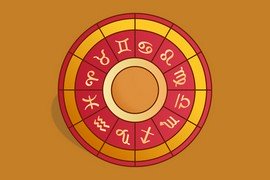
Gajachchhaya Yoga is formed when the Surya and Chandra transit on special Tithi and Nakshtara. Gajachchhaya Yoga does not occur every year, but it is always formed during the time of Pitru Paksha and is considered extremely auspicious for rituals like Shraddha etc.
This is the most significant and last day of Pitru Paksha. This day is also known as Sarvapitri Amavasya or Mahalaya Amavasya. One can perform single Shraddha on Amavasya day if one is unable to perform Shraddha during the whole Pitru Paksha.
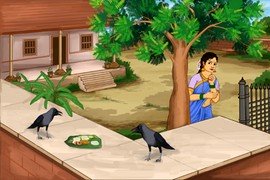
Kutup Muhurta, Rohina Muhurta and Aparahna Kaal are listed to perform Purnima Shraddha as per the local time. On this day, rituals like Shraddha, Tarpan etc. are performed for the ancestors. It is also called Shraddhi Purnima and Proshthapadi Purnima Shraddha.
In Hinduism, 96 occasions are considered suitable for performing Shraddha including 12 Amavasya days, 12 Sankranti and 15 Pitru Paksha days i.e. Mahalaya days. Shraddha rituals are performed with the desire to satisfy the ancestors.
Various types of Shraddha including Nitya, Naimittika and Kamya Shraddha and their differences are described. Description of many types of Shraddha is found in Matsya Purana and Yama Smriti, which have been divided into five main categories.
This article offers essential information regarding Pitru Paksha, including its duration, timing, and related rituals. It also addresses important questions such as "Why is Shraddha performed?" and provides answers to such common queries.