



En


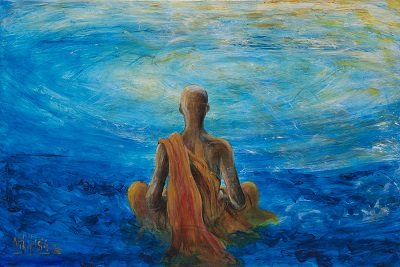
According to the Gregorian calendar, International Day of Yoga is observed every year on June 21. International Day of Yoga is also known as World Yoga Day and Yoga Day. June 21 is the longest day of the year in the Northern Hemisphere and is considered especially significant in various regions and cultures around the world.
The word Yoga is derived from the Sanskrit root Yuj (युज्), which means to join, to unite, or to establish oneness. Thus, Yoga symbolizes harmony and unity between the mind and body, thought and action, restraint and accomplishment, as well as between human beings and nature. Furthermore, Yoga represents a holistic approach to health, well-being, and overall wellness.
On December 11, 2014, the proposal for International Day of Yoga was introduced at the United Nations General Assembly by India's Permanent Representative. Out of the 193 member countries of the United Nations, 177 countries became co-sponsors of the proposal, making it the highest number of supporting nations for any resolution in the history of the United Nations General Assembly.
After the proposal was adopted by the United Nations General Assembly, the first International Day of Yoga was celebrated worldwide on June 21, 2015. On this occasion, the Prime Minister of India, Narendra Modi, organized a massive yoga camp with the assistance of various Yoga Gurus, including Baba Ramdeva and Shri Shri Ravi Shankara, in which approximately 36,000 people participated.
Personnel of the Indian Navy practiced Yoga aboard INS Jalashwa, while soldiers of the Indian Army performed Yoga in remote and challenging regions such as Siachen, inspiring and encouraging people to adopt Yoga in their daily lives.
On June 21, 2015, during the first observance of International Day of Yoga, India established two significant records. The first Guinness World Record was achieved for the largest Yoga session conducted simultaneously at a single venue. According to the record, 35,985 participants, including the then Prime Minister of India Narendra Modi and renowned Yoga Guru Ramdev, practiced Yoga together for 35 minutes at Rajpath in Delhi. During the event, 21 Yoga Asanas and Mudras were demonstrated. In addition, India also recorded participation from citizens representing eighty-four different countries, which became another notable record associated with the event.
The significance of Yoga is described in ancient Indian scriptures and historical records. The Yoga Sutra composed by Maharishi Patanjali are regarded as the foundational text of Yoga philosophy. Yoga helps establish mental and physical balance. In Hindu Dharma, Yoga is considered a means of creating harmony between human beings and nature.
The practice of Yoga promotes physical vitality, mental stability, clarity of thought, and overall well-being. Yoga is not limited merely to physical exercise or the practice of various postures; rather, it is also regarded as a path for the elevation of inner energy and consciousness. The following verse related to Yoga is found in the sacred scriptures -
गाम्भीर्यं यस्य पिता क्षमा च जननी शान्तिश्चिरं गेहिनि
सत्यं सूर्यं दया च भगिनी भ्राता मनः संयमः।
सयै भूमितलं दिशोसपि वसनं ज्ञानामृतं भोजनं
एते यस्य कुटिम्बिनः वद सखे कस्माद् भयं योगिनः॥
Gambhiryam Yasya Pita Kshama Cha Janani Shantishchiram Gehini
Satyam Suryam Daya Cha Bhagini Bhrata Manah Sanyamah।
Sayai Bhumitalam Dishosapi Vasanam Jnanamritam Bhojanam
Ete Yasya Kutimbinah Vada Sakhe Kasmad Bhayam Yoginah॥
Meaning - "The Yogi whose father is gravity and steadfastness, whose mother is forgiveness, whose lifelong consort is peace, whose son is truth, whose sister is compassion, and whose brother is self-restraint of the mind; for whom the entire Earth is his dwelling, the directions themselves are his garments, and the nectar of knowledge is his food, O friend! Tell me, why should such a Yogi fear anything?"