



En




Notes: All timings are represented in 12-hour notation in local time of Lancaster, United States with DST adjustment (if applicable).
Hours which are past midnight are suffixed with next day date. In Panchang day starts and ends with sunrise.
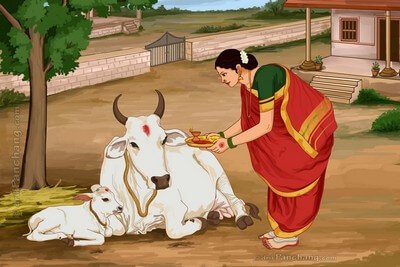
Govatsa Dwadashi is celebrated one day before Dhanteras. On Govatsa Dwadashi day cows and calves are worshipped. The wheat products are given to cows and calves after worship. People who observe Govatsa Dwadashi abstain from eating any wheat and milk products during the day. Govatsa Dwadashi is also observed as Nandini Vrat. Nandini is divine cow in Hinduism.
In Maharashtra Govatsa Dwadashi is known as Vasu Baras and it is considered first day of Deepavali. In various regions of India, a festival similar to Govatsa Dwadashi is celebrated as Bachha Baras. This festival is observed approximately two months before Govatsa Dwadashi. On this day, the worship of calves is considered highly significant.
According to the Bhavishya Purana, Govatsa Dwadashi is a highly sacred festival celebrated on the Dwadashi Tithi of Kartika Krishna Paksha. This festival is especially dedicated to the worship of the cow and her calf. On this day, married women observe a Vrat praying for the long life, prosperity and well-being of their children. References to Govatsa Dwadashi are found in several Hindu scriptures.
As described in the Vishnu Dharmottara Purana, Skanda Purana and Bhavishya Purana, the deity Vasu, the divine presiding lord of wealth, is also worshipped on this day, hence the name Vasu Baras. By worshipping the cow and her calf, women earn great merit and pray for their children's bright future. Falling one day before Dhanteras, this Vrat marks the auspicious beginning of the Diwali festivities with the worship of the sacred cow.
On this day, the use of milk or milk-based products such as curd, Ghee, buttermilk and Kheer is prohibited, as the day is believed to be one of rest for the cow. The Vrat is considered especially fruitful for the health, longevity and prosperity of children.
According to the Bhavishyottara Purana, the Vrat is observed on the Pradoshvyapini Tithi. If the Tithi occurs for two days, the Vrat should be performed on the first day as stated in the verse - "Vatsapuja Vatashchaiva Kartavyau Prathameahani." In the evening, when the cows return from grazing, one should worship a cow and her calf of the same color with sandalwood paste and other sacred items. While offering Arghya at their feet, the following Mantra should be recited -
क्षीरोदार्णवसम्भूते सुरासुरनमस्कृते।
सर्वदेवमये मातर्गृहाणार्घ्यं नमोऽस्तु ते॥
Kshirodarnavasambhute Surasuranamaskrite।
Sarvadevamaye Matargrihanarghyam Namoastu Te॥
After this, pray by chanting the following Mantra -
सर्वदेवमये देवि सर्वदेवैरलंकृते।
मातर्ममाभिलषितं सफलं कुरु नन्दिनि॥
Sarvadevamaye Devi Sarvadevairalankrite।
Matarmamabhilashitam Saphalam Kuru Nandini॥
It is important to abstain from consuming milk, curd, Ghee, buttermilk, Kheer or food fried in oil on this day. Thus concludes the Bhavishyottara Purana-prescribed method of performing the Govatsa Dwadashi Vrat.
As per common tradition, women performing the Vrat wake up early, bathe and then worship the cow and her calf. If real cows are unavailable, images or idols of cows and calves are made or drawn and decorated. They are bathed, adorned with turmeric and vermilion and worshipped with flowers, incense, Diya and sweets. After Puja, cows and calves are offered sweet fodder like jaggery and gram. Women spend the day in fasting, devotion, and listening to sacred stories, breaking their fast only in the evening after the Puja.
According to legend, there was once a divine cow named Nandini, daughter of the celestial cow Kamadhenu. She fulfilled the wishes of sages and devotees. One day, a woman, in an attempt to save her son, failed to protect Nandini from being harmed. As a result of this sin, she was separated from her son. Later, when she repented, the gods instructed her to observe the Govatsa Dwadashi Vrat, through which she was reunited with her son. Hence, this Vrat is also observed for the protection of children and the blessing of offspring.
Govatsa Dwadashi not only symbolizes devotion and reverence but also promotes the ideals of cow protection, environmental harmony and family values. The observance of this sacred Vrat with faith and sincerity brings prosperity, progeny and spiritual merit.
According to the Purnimanta Hindu Panchang, Krishna Paksha Dwadashi Tithi of Bhadrapada month, and according to the Amanta Panchang, the same Tithi falling in the Shravana month, is observed as Bachha Baras Dwadashi. On this day, cows and their calves are worshipped. The Bachha Baras Vrat is also observed by mothers for the prosperity and well-being of their children.
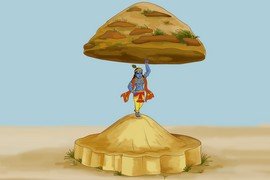
The day, when Lord Krishna defeated Indra, is celebrated as Govardhan Puja or Annakut Puja. This day is also celebrated as Bali Pratipada and New Year day. Pratahkala and Sayankala Govardhan Puja Muhurat is given on this page.
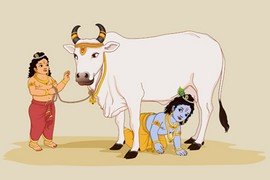
Gopashtami day falls on Ashtami Tithi during Kartik Shukla Paksha. It is famous festival in Mathura, Vrindavan and other Braj regions. Cows and their calf are decorated and worshipped on the day of Gopashtami.
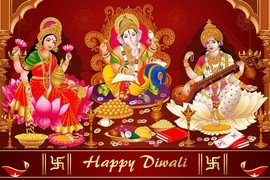
Diwali is the five days festivity period which begins on Dhanteras and ends on Bhaiya Dooj. Diwali Puja Calendar is given on this page, through which you can get detailed information about the Diwali rituals and their auspicious timings.
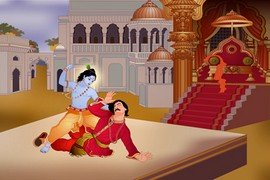
On Kansa Vadha day Kansa was killed by Lord Krishna. Ugrasena was reinstated as the King of Mathura. The event of Kansa Vadh is considered very important day by Chaturvedi community and mainly celebrated in city of Mathura.