


En



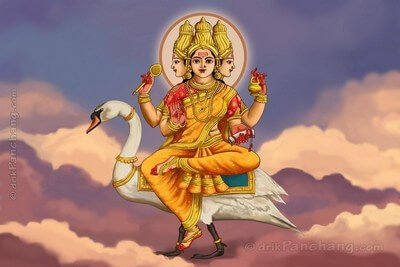
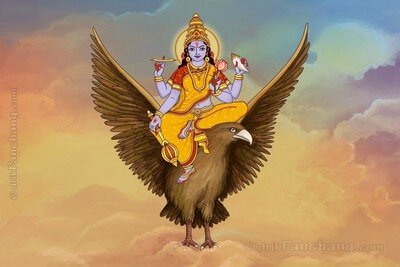
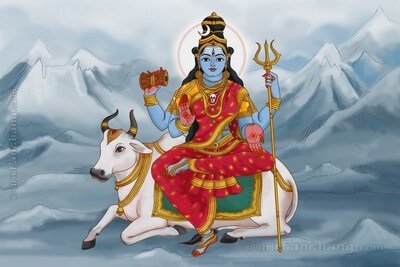
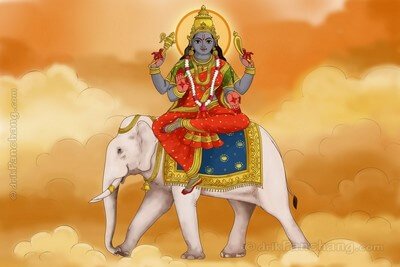
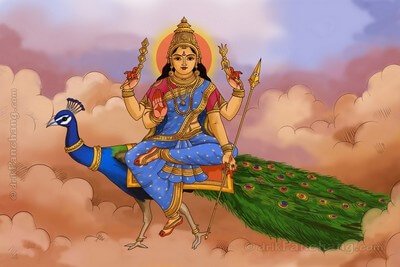
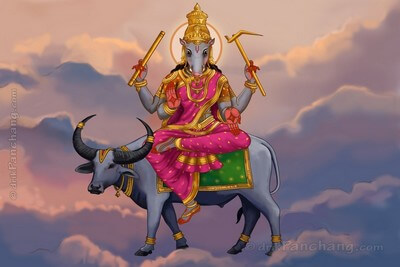
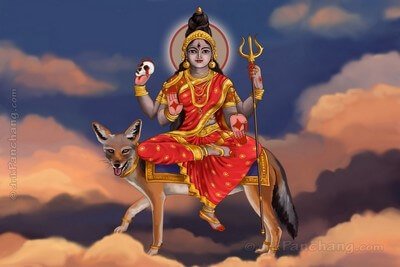
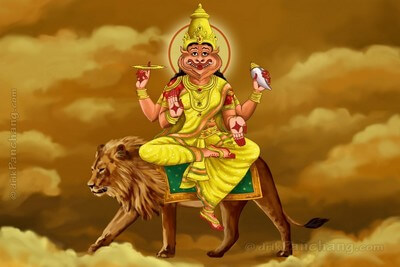
In Hinduism, the seven Goddesses, i.e., Brahmani, Vaishnavi, Maheshvari, Kaumari, Indrani, Varahi and Chamunda are collectively revered as Sapta Matrika, the seven divine mothers. The account of the origin of the Sapta Matrika is found in religious texts like Shri Durga Saptashati and Markandeya Purana. Matsya Purana and Vishnudharmottara Purana also contain descriptions regarding Sapta Matrika. However, each text offers a different version of the origin of the seven divine mothers. Historians have found evidence of the worship of the Sapta Matrika across various great civilizations throughout history.
The earliest mention of Sapta Matrika is found in the Rigveda. Therefore, it is believed that the worship of the Sapta Matrika originated during the Vedic era. According to some scholars, the worship of the Sapta Matrika represents an evolution of the ancient Yaksha tradition. Evidence of devotion to the Matrikas is also found in certain ancient civilizations of Western Asia. Similar evidence is found in the Indus Valley Civilization as well. These beliefs are further supported by the excavation of coins depicting the scenes of human sacrifice performed in front of the Matrikas. It is believed that the Sapta Matrika were inducted as Goddesses within the Hindu pantheon at the beginning of the fifth century CE.
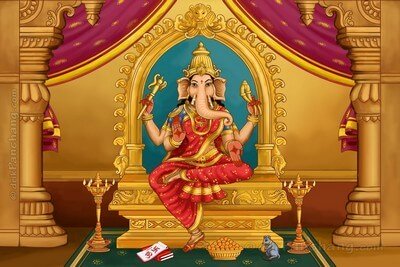
In other texts, the description of Goddess Narasimhi is found in place of Goddess Chamunda. In Nepal, Ashta Matrika are worshipped, which include Vinayaki Matrika along with the Sapta Matrika.