







Sunrise05:45 AM
Sunset07:54 PM
Moonrise03:14 AM, May 23
Moonset03:01 PM
Shaka Samvat1947 Vishvavasu
Lunar MonthVaishakha
WeekdayViyalan
PakshaKrishna Paksha
TithiThasami upto 12:42 PM
NakshathramUthirattathi upto 03:32 AM, May 23
YogaVishkambha upto 09:20 AM
KaranaVishti upto 12:42 PM
KaranaBava upto 11:24 PM
Rahu Kalam02:36 PM to 04:22 PM
Gulikai Kalam09:17 AM to 11:03 AM
Yamaganda05:45 AM to 07:31 AM
Abhijit12:21 PM to 01:18 PM
Dur Muhurtam10:28 AM to 11:25 AM
Dur Muhurtam04:08 PM to 05:04 PM
Amrit Kalam11:05 PM to 12:34 AM, May 23
Varjyam02:11 PM to 03:40 PM
Anandadi YogaChathra upto 03:32 AM, May 23
Tamil YogaSiddha upto 03:32 AM, May 23
Anandadi YogaMithra
Tamil YogaAmrutha
Notes: All timings are represented in 12-hour notation in local time of Lancaster, United States with DST adjustment (if applicable).
Hours which are past midnight are suffixed with next day date. In Panchang day starts and ends with sunrise.





 Karka 25:31+
 Ayilyam 25:31+
 SimhaMagam 27:22+
 SimhaPooram 29:47+KanyaUthiram 08:36TulaChithirai 14:45VrishchikaAnusham 23:17DhanuPooradam 29:14+Dhanu 11:34UthiradamMakaraUthiradam 06:22Makara 19:05Thiruvonam 06:59KumbhaAvittam 07:02Kumbha 23:38Sathayam 06:28MeenaUthirattathi 27:32+KarkaPunarpoosam 08:59
Tamil Panchangam is used by the Tamil population in Tamil Nadu, Puducherry, Sri Lanka, Malaysia and all over the world. Tamil Panchangam has great significance in Tamil Culture and is deeply rooted in the faith of the Tamil Hindus. Tamil Panchangam shows important astronomical elements like Tithi, Nakshatram, Yoga, Karna, Rahu Kalam, Gulikai Kalam etc.
One should avoid Rahu Kalam, Yamagandam, Gulikai, Durmuhurtham and Varjyam as these time periods are not auspicious. The rest of the time left after eliminating them is considered Shubh.
The Abhijit Muhuratam and Amrit Kalam are considered auspicious. If inauspicious time overlaps with auspicious time then the inauspicious time period should be removed from the auspicious time window.
On this page, you can find the Nalla Neram (நல்ல நேரம்) and the Gowri Panchangam for any location and day. In the Gowri Panchangam, Amridha, Dhanam, Uthi, Labham, and Sugam are considered auspicious Muhurta. In addition, there are three inauspicious Muhurta named Rogam, Soram, and Visham.
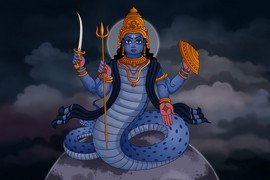
Location based Rahu Kalam is given for each day. It is an inauspicious time window which lasts approximately for one and half hour every day. No new and auspicious work should be started during Rahu Kalam like marriage, housewarming etc.
Complete list of all important Tamil festivals, Upavasam and Vratham as per Tamil Solar Calendar is available here. This list also includes popular Tamil festivals like Ugadi, Hanumath Jayanthi, Bhogi Pandigai, Thai Pongal, Karadaiyan Nombu, Chitra Pournami, etc.
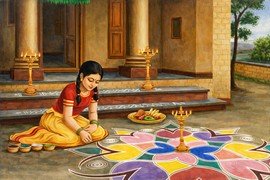
A list of all the major Tamil festivals as per Tamil Solar Calendar, is made available on this page. The accurate calculation of the Muhurat of all Tamil festivals is available on Drik Panchang.

A detailed list of all Hindu festivals and celebrations has been given. The dates and timings of Hindu festivals are determined based on the positions of Surya and Chandra, Nakshatra, and other astronomical factors. Through this list, the dates of important festivals can be identified.
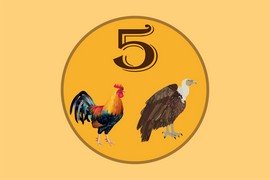
Pancha Pakshi activities are listed on the page. Each of the five birds engages in one of the five activities, i.e., Ruling, Eating, Sleeping, Walking and Dying. Performing tasks during the auspicious activity state of your associated bird increases the chances of achieving desired success in your endeavors.
The Pancha Pakshi Calculator has been provided. With the help of this calculator, you can determine your associated bird (Pakshi). Based on a person's birth Nakshatra and the lunar phase at the time of birth, the corresponding Pakshi is identified.