



En



 Moonrise on Atla Tadde Day - 07:21 PM
Notes: All timings are represented in 12-hour notation in local time of Lancaster, United States with DST adjustment (if applicable).
Hours which are past midnight are suffixed with next day date. In Panchang day starts and ends with sunrise.
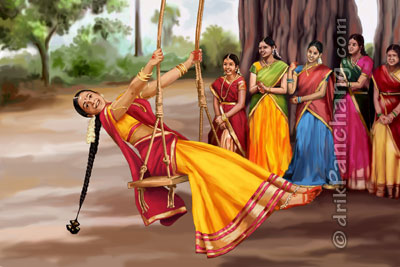
Atla Tadde is a festival observed by married women in Andhra Pradesh for the longevity of their husbands. This festival is similar to Karwa Chauth celebrated in North India, as both share the common purpose of praying for the husband's longevity and family well-being. Atla Tadde is a highly popular fast in South India, particularly in Andhra Pradesh and Karnataka. It is primarily observed by married women and young unmarried girls. According to the Amanta Hindu Panchang, this festival is celebrated every year on the Krishna Paksha Tritiya Tithi of Ashwin month.
On the occasion of Atla Tadde, women observe a full-day fast and break it at night after offering Arghya to the Chandrama. In this fast Atla refers to bread or puri made of wheat flour and Tadde means the Tritiya Tithi or third lunar day. On this day, women observing the fast prepare special Atla, i.e., wheat flour puris or rotis at night, offer them to the Chandrama and then consume them themselves.
Traditionally, Atla Tadde is observed following the procedure given below, although the method may vary slightly based on regional customs.
In this way, the traditional Puja Vidhi of Atla Tadde Vrat is completed.
Atla Tadde Vrat is considered beneficial not only for married women but also for unmarried girls. Young girls observe this fast to be blessed with a suitable husband. This festival is highly popular in Andhra Pradesh and Karnataka and is celebrated with great devotion, faith and enthusiasm.
This fast is dedicated to the well-being and prosperity of married women and their families. The offering of wheat flour Rotis holds special significance in this ritual, which is why the fast is named Atla Tadde. From a religious perspective, this fast is observed by revering the Lord Chandra as a symbol of calmness, coolness and longevity. Based on both folk traditions and scriptural authority, this fast continues to be observed with deep devotion and reverence by Hindu women even today.
A list of all major Telugu festivals celebrated throughout the year is given including Atla Tadde, Nagula Chavithi, etc. Through this list, you can learn about the upcoming festivals and be prepared for the rituals related to them.
Detailed Telugu Month Panchangam with list of Telugu festivals and detailed Daily Panchangam is given on this page. With the help of this Telugu Panchangam, you can know about the day and time of all major Telugu festivals.

Karwa Chauth Puja Muhurat including Vrat Timings and the Moon Rise Timings on Karwa Chauth is given here. Karwa Chauth is a one-day festival in which married women fast from sunrise to moonrise seeking the well-being, prosperity and safety of their husbands.
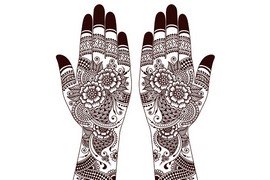
Here are the best General Mehndi Designs with pictures. These Mehndi designs are commonly used. One can apply beautiful, attractive Mehndi patterns with the help of these Mehndi designs.