

हि








टिप्पणी: सभी समय १२-घण्टा प्रारूप में कोलंबस, संयुक्त राज्य अमेरिका के स्थानीय समय और डी.एस.टी समायोजित (यदि मान्य है) के साथ दर्शाये गए हैं।
आधी रात के बाद के समय जो आगामि दिन के समय को दर्शाते हैं, आगामि दिन से प्रत्यय कर दर्शाये गए हैं। पञ्चाङ्ग में दिन सूर्योदय से शुरू होता है और पूर्व दिन सूर्योदय के साथ ही समाप्त हो जाता है।
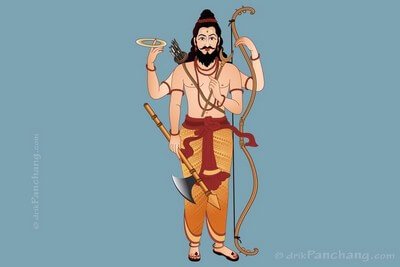
परशुराम जयन्ती, भगवान विष्णु के छठवें अवतार के जन्म की वर्षगाँठ के रूप में मनायी जाती है। यह वैशाख माह में शुक्ल पक्ष तृतीया के समय पड़ता है। ऐसा माना जाता है कि, परशुराम का जन्म प्रदोष काल के समय हुआ था तथा इसीलिये जिस दिन प्रदोष काल के दौरान तृतीया तिथि होती है उस दिन को परशुराम जयन्ती का उत्सव मानाया जाता है। भगवान विष्णु ने पापी, विनाशकारी तथा अधार्मिक राजाओं का विनाश कर पृथ्वी का भार हरने हेतु परशुराम जी के रूप में छठवाँ अवतार धारण किया था। इन दुष्ट राजाओं ने पृथ्वी के संसाधनों को लूटा तथा राजाओं के रूप में अपने कर्तव्यों की उपेक्षा की थी।
हिन्दु मान्यताओं के अनुसार, अन्य सभी अवतारों के विपरीत, परशुराम जी वर्तमान में भी पृथ्वी पर ही निवास करते हैं। इसीलिये, श्री राम तथा श्री कृष्ण के विपरीत, परशुराम की पूजा नहीं की जाती है। दक्षिण भारत में, उडुपी के पास पवित्र स्थान पजाका में, एक प्रमुख मन्दिर स्थित है जो परशुराम जी को समर्पित है। भारत के पश्चिमी तट पर भगवान परशुराम को समर्पित अनेक मन्दिर अवस्थित हैं।
कल्कि पुराण में वर्णित है कि, परशुराम भगवान विष्णु के 10वें एवं अन्तिम अवतार श्री कल्कि को शस्त्र विद्या प्रदान करने वाले गुरु होंगे। यह प्रथम अवसर नहीं है कि भगवान विष्णु के छठवें अवतार किन्हीं अन्य अवतार से भेंट करेंगे। रामायण के अनुसार, देवी सीता एवं भगवान राम के विवाह समारोह में परशुराम जी का आगमन हुआ था तथा भगवान विष्णु के 7वें अवतार श्री राम जी से उनकी भेंट हुयी थी।
भगवान विष्णु के परशुराम अवतार के विषय में विस्तृत वर्णन पढ़ने हेतु कृपया उक्त लेख का अवलोकन करें - परशुराम अवतार।
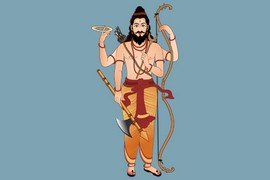
भगवान परशुराम को भगवान विष्णु के छठवें अवतार के रूप में वर्णित किया गया है। परशुराम जी सप्त चिरञ्जीवियों में से एक हैं, जिन्हें प्रत्येक युग में अमर रहने का वरदान प्राप्त है। मान्यताओं के अनुसार वे आज भी महेन्द्र पर्वत पर उपस्थित हैं।
भगवान परशुराम के पवित्र नाम एवं मन्त्रों से युक्त अष्टोत्तर शतनामावली वीडियो सहित उपलब्ध है।
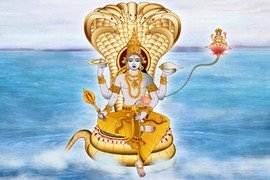
भगवान विष्णु सम्पूर्ण ब्रह्माण्ड के पालक और त्रिमूर्ति में से एक हैं। ऐसा माना जाता है कि यह दृश्य जगत, क्षीरसागर में शयन कर रहें भगवान विष्णु का स्वप्न है। इस पृष्ठ पर आप भगवान विष्णु से सम्बन्धित बहुत सी जानकारी प्राप्त कर सकते हैं।
भगवान विष्णु के दस प्रमुख अवतारों की सूचि और उनकी जयन्ती के दिन इस पृष्ठ पर बताये गये हैं। इस पृष्ठ से आप सभी अवतारों के विषय में रोचक जानकारियाँ भी प्राप्त कर सकते हैं।
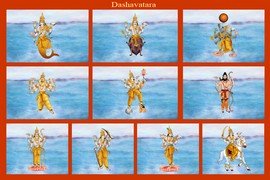
लीलाधर भगवान श्री विष्णु समय-समय पर सृष्टि के कल्याण हेतु नाना प्रकार के रूप धारण करते रहते हैं। भगवान विष्णु के प्रमुख दस रूपों को धर्मग्रन्थों में दशावतार के नाम से वर्णित किया गया है। धर्मग्रन्थों के अनुसार दशावतारों में से एक कल्कि अवतार वर्तमान कलयुग के अन्त में प्रकट होने वाले हैं।
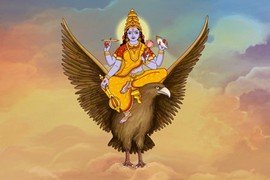
यहाँ सम्पूर्ण एकादशी तिथियों की सूचि दी गयी है। इस सूचि की सहायता से आप सम्पूर्ण एकादशी तिथियाँ ज्ञात कर सकते हैं। भगवान विष्णु के भक्तों द्वारा एकादशी का व्रत अत्यन्त उत्साह के साथ मनाया जाता है।
इस्कॉन के अनुयायी "इस्कॉन सम्पूर्ण एकादशी व्रत तिथियों" की सूचि यहाँ प्राप्त कर सकते हैं। यह सूचि इस्कॉन के अनुसार एकादशी का व्रत करने वालों के लिये अत्यधिक महत्वपूर्ण तथा उपयोगी है।
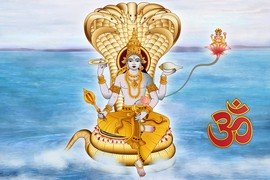
भगवान विष्णु के पूजन और जप में उपयोग होने वाले मन्त्रों की सूचि इस पृष्ठ पर उपलब्ध करायी गयी है। इनमें से कुछ मन्त्र पौराणिक तो कुछ वैदिक हैं। इसके साथ ही भगवान विष्णु के शक्तिशाली यन्त्र को भी इस पृष्ठ से देखा जा सकता है।