



En



According to Dharma Sindhu and Nirnaya Sindhu, when the Ekadashi Tithi extends beyond its usual duration, the extended Ekadashi is known as Unmilini Mahadwadashi. For example -
| 10 Dashami | 11 Ekadashi | (11 Unmilini) | 12 Dwadashi |
If Ekadashi and Dwadashi fall on the same day, one should observe the fast for both days together and perform Parana, i.e., conclude the fast on the following day. By doing so, the devotee attains the spiritual merit of observing both fasts.
However, if Ekadashi and Dwadashi occur on separate days, then ardent devotees of Lord Vishnu and those who are capable should observe fasting on both days. Those who are unable or physically weak should consume only fruits, i.e., Phalahara on Ekadashi and observe a complete fast, i.e., Nirahara Vrat on Dwadashi. Doing so does not incur any fault for not breaking the Ekadashi fast, as both fasting days are dedicated to the same Deity.
According to different opinions and the Vaishnava tradition, some devotees of Lord Vishnu skip the Ekadashi fast and observe only the Dwadashi fast, believing that the Dwadashi Vrat should never be violated. However, as stated in the Dharma Sindhu, one should not completely forsake the Ekadashi Vrat, meaning that consuming Anna, i.e., grains or any kind of food on Ekadashi is strictly prohibited even after skipping Ekadashi Vrat.
The Hindu scriptures describe numerous sacred fasts to be observed on various Tithi(s) throughout the year. Among them, many are performed on Dwadashi Tithi, as elaborated in the Bhavishya Purana, Narada Purana and Matsya Purana. Each of these Dwadashi fats holds its own spiritual significance. This particular Dwadashi is called Unmilini Dwadashi because it destroys sins and grants spiritual awakening.
As described in the Narada Purana and Brihannaradiya Purana, when the Ekadashi Tithi begins during Arunodaya Kala, i.e., the pre-dawn period and continues throughout the day, extending even into the next day, one should forgo fasting on the first day and observe the fast on the second day, this is known as Unmilini Dwadashi. By performing the Unmilini Vrat with devotion, worshiping Lord Vasudeva and performing a Yajna in His honor, one attains the same merit as performing a thousand Rajasuya Yajnas.
According to Hindu Vedic astrology, when Dwadashi coincides with certain auspicious Nakshatras and Tithi, eight special Dwadashi(s) are formed, known collectively as the Mahadwadashi. These eight, Unmilini, Vanjuli, Trisparsha, Pakshavarddhini, Jaya, Vijaya, Jayanti and Papanashini are believed to destroy sins and grant immense spiritual merit. Therefore, fasting on these Mahadwadashi is considered highly auspicious and obligatory for devotees of Lord Vishnu.
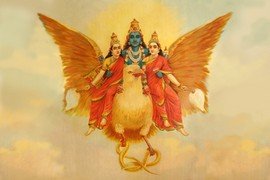
All Dwadashi Fasting days are listed including Vamana Dwadashi, Parashurama Dwadashi, Ramalakshmana Dwadashi, Vasudeva Dwadashi etc. In Hinduism, the Dwadashi Vrat holds immense significance. Devotees observe this fast with to seek the divine blessings and Bhakti of Lord Vishnu.
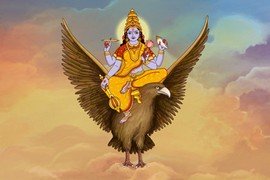
A complete list of Ekadashi dates is given here. Go through the Ekadashi fasting dates list here so that you never miss fasting on Ekadashi. Ekadashi fast is observed with great enthusiasm by the devotees of Lord Vishnu.
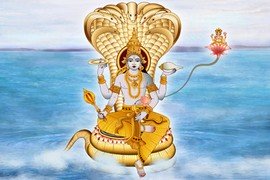
ISKCON devotees can get the complete list of ISKCON Ekadashi fasting dates here. This list will prove highly informative and useful to those who observe the fast of Ekadashi as per the ISKCON.
According to the Hindu scriptures, when the Dwadashi Tithi coincides with the Pushya Nakshatra, the Jaya Mahadwadashi fast is observed. Like the significance of the Ekadashi fast, the Dwadashi fast is also considered highly meritorious in the scriptures.
According to the significance of Mahadwadashi mentioned in Hindu scriptures, when the Dwadashi Tithi coincides with the Punarvasu Nakshatra from sunrise to sunset, the Jayanti Mahadwadashi fast is observed. On this day, devotees of Lord Vishnu perform fasting, worship, and rituals with devotion to seek His divine grace.
According to the Hindu Panchang, when there is an extension of the Purnima or Amavasya Tithi in a month, the Dwadashi falling in that Paksha is called Pakshavarddhini Dwadashi. In Hindu scriptures, Pakshavarddhini Dwadashi is classified among the Mahadwadashi dates.
According to the Hindu Panchang, when the Dwadashi Tithi coincides with the Rohini Nakshatra, the Papanashini Mahadwadashi fast is observed. Papanashini Mahadwadashi is one of the most important and sacred Mahadwadashi dates described in Hindu scriptures. This day is considered highly auspicious for fasting and worshipping Lord Vishnu.
According to the Hindu Panchang, when the Shravana Nakshatra coincides with the Dwadashi Tithi, even for a moment, the Shravana Yoga Mahadwadashi Vrat is observed. On this auspicious day, one should take a holy dip at the confluence of sacred rivers, as per one's ability.
According to the Hindu Panchang, when Ekadashi, a waning Dwadashi and Trayodashi all coincide between one sunrise and the next, it is known as Trisparsha Dwadashi. Trisparsha Dwadashi is one of the principal Mahadwadashi dates mentioned in Hindu scriptures.
According to the Hindu Panchang, when there is an extension of the Dwadashi Tithi, the Shuddha Dwadashi that prevails from sunrise to sunset on the first day is known as Vanjuli Mahadwadashi. Vanjuli Mahadwadashi is one of the eight Mahadwadashi dates described in the Hindu scriptures.
According to the Hindu Panchang, when the Dwadashi Tithi coincides with the Shravana Nakshatra from sunrise to sunset, the Vijaya Dwadashi Vrat is observed. It is one of the eight Mahadwadashi days mentioned in the scriptures. Devotees of Lord Vishnu observe this Vrat with utmost faith and devotion.
According to the Hindu Panchang, when the previous day has an Ekadashi Viddha Dwadashi and the Shravana Nakshatra prevails on both days, the rare combination of Ekadashi, Dwadashi, and Shravana Nakshatra is known as Vishnushrinkhala Yoga Dwadashi.