


En


After listening to the origin, glory and significance of Utpanna Ekadashi, Arjuna said to Lord Shri Krishna, "O revered Lord Shri Krishna! O master of the three worlds! You grant happiness and liberation to all. I bow to you. O Lord! You are merciful. Please calm down one of my curiosities."
Lord Shri Krishna replied, "O Arjuna! Whatever you wish to know, speak fearlessly. I will certainly resolve your curiosity."
Hearing this, Arjuna said - "O Lord! What you have told me about the Ekadashi of the Krishna Paksha in the month of Margashirsha has brought me great peace. Now, please be kind and tell me about the Ekadashi that falls in the Shukla Paksha of the month of Margashirsha. What is its name? Which deity is worshipped on that day and what is the method of worship? What results does a person attain by observing the fast of that Ekadashi? O Lord! By answering my questions in detail and resolving my curiosity, you will bestow your great kindness upon me."
Listening to Arjuna's curiosity, Lord Shri Krishna said - "O Arjuna! You have asked a very noble question and because of this, your glory will spread in the world. The Ekadashi of the Shukla Paksha in the month of Margashirsha destroys many kinds of sins. In the world, it is known as Mokshada Ekadashi. On this Ekadashi, Lord Shri Damodara should be worshipped devoutly with incense, lamps, offerings and other rituals. O son of Kunti! By the virtue of observing the fast of this Ekadashi, parents, ancestors and relatives who have fallen into hell attain salvation and reach heaven."
The story, as mentioned in the Purana, begins like this - There was a king named Vaikhanasa who ruled over an ancient city. In his kingdom resided Brahmins who were well-versed in all the four Vedas. The king cared for his subjects as though they were his own children. One night, the king saw his father enduring the torments of hell in a dream. This vision deeply troubled him and he anxiously waited for the morning. As soon as dawn broke, he summoned the Brahmins and recounted his entire dream to them - 'O Brahmins! Last night, in a dream, I saw my father suffering the torments of hell. He said to me, 'O son! I am enduring extreme suffering in hell. Please rescue me from here.' Since hearing these words, I have been deeply disturbed. I no longer find any joy in my kingdom, wealth, luxuries, elephants, horses, riches, wife or children. What should I do now? Where should I go? My body is burning with anguish because of this sorrow. Please suggest some penance, charity, fast or any other way by which my father can attain liberation. If I do not make an effort to free my father from the torments of hell, my life will be meaningless. A person whose father is suffering in hell has no right to enjoy any happiness on this earth. O venerable Brahmins, I kindly request you to suggest a remedy at the earliest.'
Listening to the king's internal pain and sorrow, the Brahmins discussed the matter among themselves. After deliberating, they unanimously said, 'O King! There is a sage named Parvata, who is knowledgeable about the past, present and future. He is not far from here. Go to him and share your grievance; he will certainly provide you with a simple solution.'
Obeying the Brahmins' advice, the king went to the sage's hermitage. In the hermitage, many tranquil-minded Yogis and sages were engaged in penance. Parvata Muni, who was well-versed in all the four Vedas, appeared as though he was another incarnation of Lord Brahma. The king prostrated before him and introduced himself. Parvata Muni inquired about the king's well-being, to which the king replied - 'O revered sage! By your grace, all is well in my kingdom. However, an unexpected problem has arisen that has left my heart deeply troubled.'
Subsequently, the king, with a sorrowful heart, narrated the complete anguish of his dream to the sage and said in a distressed voice - 'O great sage! Kindly guide me, what should I do in this situation? How can I liberate my father from the torment of hell?'
Parvata Muni listened to the king's words intently. Then, closing his eyes, he began to reflect deeply on the past and future. After a period of serious contemplation, he said - 'O King! Through my Yogic powers, I have come to know of your father's misdeeds. In his previous life, he showed partiality among his wives. Acting on the words of his elder queen, he denied his second wife her rightful conjugal union when she asked for it. It is due to this sinful act that your father has ended up in hell.'
Hearing this, Vaikhanasa, in a pleading tone, said - 'O Rishivara! Kindly suggest a way for the salvation of my father. How can he be freed from this sin?'
To this, Sage Parvata replied - 'O King! The Ekadashi that falls in the Shukla Paksha of the Margashirsha month is called Mokshada Ekadashi. It is known as the giver of liberation. Observe the fast of Mokshada Ekadashi and dedicate the merits of this fast to your father through resolution. By the virtuous effect of this Ekadashi, your father will certainly attain liberation.'
Listening to the words of Sage Parvata, the king returned to his kingdom and, along with his family, observed the Mokshada Ekadashi fast with proper rituals. The king dedicated the merits of this fast to his father. As a result of the virtuous effect of the fast, the king's father attained liberation with ease. While ascending to heaven, the king's father said - 'O son! May you be blessed!' With these words, the king's father departed for heaven. O son of Pandu! Those who observe the fast of Mokshada Ekadashi, which falls in the Shukla Paksha of the Margashirsha month, destroy all their sins and ultimately attain the heavenly abode. There is no other fast superior to this, which bestows liberation. Simply listening to or reciting this story yields immense rewards. This fast is akin to the divine Chintamani that fulfills all the desires of the observer. O Arjuna! Every human harbors a strong desire for liberation. For those seeking salvation, the fast of Mokshada Ekadashi holds immense significance. No other example of a son's duty towards his father surpasses this story. Hence, this fast should be observed with complete devotion and faith, dedicated to Lord Shri Hari Vishnu."
This is a sacred and noble tale of devotion towards one's father and the offering of merits for the benefit of others. Observing this fast not only brings blessings to the one observing it but also contributes to the welfare of their ancestors. By dedicating the merits of this fast to any close relative, friend or companion, their sins and suffering are also eradicated.
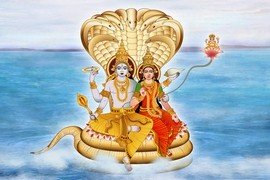
According to the Hindu calendar, Margashirsha Shukla Paksha Ekadashi is known as Mokshada Ekadashi. According to the description found in Hindu scriptures; by observing the fast of Mokshada Ekadashi with devotion, the mother, father and ancestors who have gone to hell attain salvation.
Aarti is one of the most important rituals of worshipping any deity. Ekadashi Aarti is a prayer dedicated to Goddess Ekadashi. This Aarti can be sung during Ekadashi fasting and on various occasions related to Ekadashi.
Here we have listed Ekadashi Timings and all the important FAQs related to the Ekadashi fasting so that devotees can avoid the most common mistakes made while observing Ekadashi Vrat.

Learn about the food during Ekadashi Fasting. Being careful while eating anything during the Ekadashi fast is highly important. Devotees can know here what they can eat and what they should avoid eating during Ekadashi fasting.
A complete list of Ekadashi dates is given here. Go through the Ekadashi fasting dates list here so that you never miss fasting on Ekadashi. Ekadashi fast is observed with great enthusiasm by the devotees of Lord Vishnu.
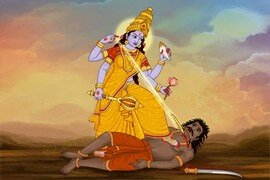
Goddess Ekadashi is considered as the Yoga Maya of Lord Vishnu. Utpanna Ekadashi is the greatest Ekadashi of all. On this day, Goddess Ekadashi was manifested to kill demon named Mura.
It is believed that Vaikuntha Dwaram is opened on this day and devotees who observe fast on Vaikuntha Ekadashi attain salvation. This is a popular Ekadashi in Tamil calendar. Vaikuntha Ekadashi is also known as Mukkoti Ekadashi.
Nirjala Ekadashi is one of the twenty four Ekadashi Vrats which are observed to receive the special grace and blessings of Lord Vishnu. Consumption of water is prohibited during this fast. By observing the fast of Nirjala Ekadashi, one gets the virtuous results of all the 24 Ekadashis.
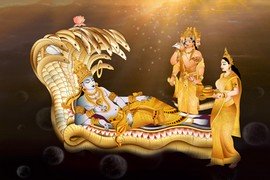
Prabodhini Ekadashi is one of the twenty four Ekadashi Vrats which are observed to receive special grace and blessings of Lord Vishnu. According to Hindu beliefs, on this day Lord Vishnu wakes up from four months of Yogic sleep. It is also known as the Dev Uthani Ekadashi and Devutthaan Ekadashi.
According to the Purnimanta Hindu calendar, Margashirsha Krishna Paksha Ekadashi and according to the Amanta Hindu calendar, Kartika Krishna Paksha Ekadashi is known as Utpanna Ekadashi. Ekadashi fasting is started from Utpanna Ekadashi.
ISKCON devotees can get the complete list of ISKCON Ekadashi fasting dates here. This list will prove highly informative and useful to those who observe the fast of Ekadashi as per the ISKCON.