





Sunrise07:15 AM
Sunset05:42 PM
Moonrise08:55 AM
Moonset07:53 PM
Shaka Samvat1948 Parabhava
Vikram Samvat2083 Siddharthi
Gujarati Samvat2083 Kalayukta
Amanta MonthPausha
Purnimanta MonthPausha
WeekdayRaviwara
PakshaShukla Paksha
TithiTritiya upto Full Night
NakshatraShravana upto 03:11 PM
YogaVajra upto 05:02 PM
KaranaTaitila upto 08:19 PM
KaranaGaraja upto Full Night
Pravishte/Gate26
MoonsignMakara upto 04:34 AM, Jan 11
Rahu Kalam04:24 PM to 05:42 PM
Gulikai Kalam03:05 PM to 04:24 PM
Yamaganda12:29 PM to 01:47 PM
Abhijit12:08 PM to 12:49 PM
Dur Muhurtam04:18 PM to 05:00 PM
Amrit Kalam06:19 AM, Jan 11 to 08:06 AM, Jan 11
Varjyam07:38 PM to 09:25 PM
Notes: All timings are represented in 12-hour notation in local time of New Delhi, India with DST adjustment (if applicable).
Hours which are past midnight are suffixed with next day date. In Panchang day starts and ends with sunrise.

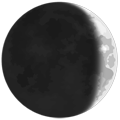


 Vrishchika
 Anuradha 30:27+SimhaMagha 16:32Simha 21:37P Phalguni 15:43KanyaU Phalguni 15:36Kanya 28:46+Hasta 16:13TulaChitra 17:29TulaSwati 19:19VrishchikaAnuradha 24:14+DhanuMula 30:08+Makara 28:34+Shravana 15:11KumbhaDhanishtha 17:53KumbhaShatabhisha 20:13Kumbha 15:40P Bhadrapada 22:04MeenaU Bhadrapada 23:18MeshaAshwini 23:38Mesha 28:21+Bharani 22:42Vrishabha 29:38+Rohini 18:54

 Mithuna 29:09+Ardra 13:23SimhaMagha 26:40+KanyaU Phalguni 24:06+KanyaHasta 23:56Kanya 12:08Chitra 24:32+TulaSwati 25:54+Tula 21:21Vishakha 27:55+
In Hindu Calendar, the day starts with local sunrise and ends with next day local sunrise. As sunrise time is different for all cities, Hindu Calendar made for one city is not valid for any other city. Hence it is important to use location based Hindu Calendar, like this website. Further, each Hindu day consists of five elements, which are called angas. These five elements are -
In Hindu Calendar, all five elements together are called Panchang. (In Sanskrit: Panchang = Pancha (five) + Ang (part)). Hence Hindu Calendar which shows all five elements for each day is called Panchang. In South India Panchang is known as Panchangam.
When Hindu Calendar includes Muslims, Sikh, Christian, Buddhist and Jain festivals, including national holidays, it is called as Indian Calendar.
The Muhurat of Shubh Yoga formed by Sunday and Pushya Nakshatra is available on this page. This Yoga is considered suitable for auspicious works and buying precious items.
Ganda Mool Nakshatra dates and time is listed for the entire year. According to Vedic astrology, Ashwini, Ashlesha, Magha, Jyeshtha, Mula and Revati Nakshatras are known as Ganda Mool Nakshatras. Babies born in these Nakshatras have a special influence on the lives of their family members.
This Yoga doubles the effect of any event. This Yoga is formed by the combination of particular Tithi, Nakshatra and weekday. All Dwipushkar Yoga Muhurat falling throughout the year are made available on this page.
The Beginning and End of Bhadra is given for each month of the year. Bhadra is also known as Vishti Karana. During Bhadra, all kind of auspicious activities like Mundan, Marriage, Housewarming, Pilgrimage and starting a New Business, etc are forbidden.
The list of 'Ravi Yoga' formed by the auspicious position of Sun and Moon in every month is made available here. Auspicious works done during this period are successful.
The special Yoga created by the transit of the Chandra in Kumbha and Meena Rashi with the Dhanishta, Shatabhisha, Purva Bhadrapada, Uttara Bhadrapada and Revati Nakshtra is called Panchak. The inauspicious period of 5 days of Panchak is prohibited for auspicious works.
On this page, you can download location-based Hindu Calendar PDF for various cities. The Hindu Calendar PDF prepared by Drik Panchang lists all major Vrat, festivals and holidays for different locations.