



En



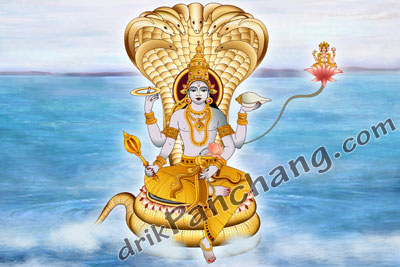
In the Hindu calendar, Kartika month is considered an extremely auspicious month. The entire month is dedicated to the worship of Lord Vishnu. Observing devotion to Lord Vishnu and performing Masopavasa, i.e., month-long fasting during Kartika leads to the attainment of Moksha. The Matsya Purana and Padma Purana contain extensive descriptions of the greatness of Kartika. Under the Kartika Mahatmya section, various religious rituals and associated legends to be observed in this sacred month are described.
Each Tithi during Kartika month is considered extremely auspicious for fasting, worship and other religious observances. Each lunar day of Kartika is dedicated to one or another Vrat or Puja rituals.
Apart from following Puja schedule based on lunar Tithi, one can follow Puja schedule based on weekdays during Kartika month.
In modern India, not all traditional Kartika rituals are followed exactly as described in ancient scriptures. However, the following principal observances are widely recommended during Kartika -
It is also important to understand that worship performed for any deity during the month of Kartika ultimately pleases Lord Vishnu. Hence, offerings made to other deities during this sacred month are considered to reach Lord Vishnu.
The Bhishma Panchaka Vrat is a significant observance performed during Kartika month. Beginning on Kartika Shukla Ekadashi, this five-day Vrat concludes on Kartika Purnima. During this Vrat, Shraddha, Tarpan and Arghya are offered in honor of Bhishma Pitamah. Scriptures state that this Vrat is especially beneficial for those desiring progeny.
Kartika Mahatmya as described in the Skanda Purana is described in detail. This Mahatmya mentions various important rituals and observances to be performed during the sacred month of Kartika. This Mahatmya was originally narrated by Lord Brahma to Devarshi Narada and later by SutaJi to the sages.
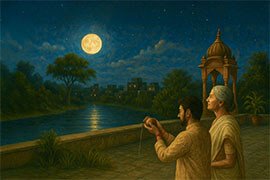
According to the Hindu calendar, Kartika Purnima is the eighth full moon of the year. Devotees take baths in Ganga and other holy rivers during Kartika. Kartika Snana is done from Sharad Purnima to Kartika Purnima. In the Vaishnava sect, Kartika is called Damodara month.
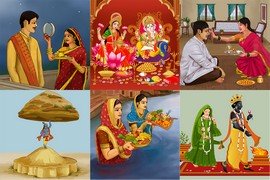
All festivals celebrated in the Kartika month are listed on this page, including major observances such as Diwali, Bali Pratipada, Akshaya Navami, Vaikuntha Chaturdashi and many others. Kartika month is primarily dedicated to the worship of Lord Vishnu.