



En
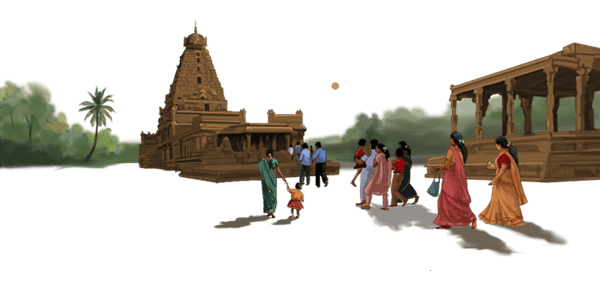



In ancient times, there was a Gwalina, i.e., milkmaid who earned her livelihood by selling milk, curd, and other dairy products. Once she became pregnant, and the time of her delivery was very near. She began to experience extremely intense labor pain. Her milk, curd, butter, and other items were kept at home for sale. The milkmaid thought that if the child were born, then her goods would not be sold. Therefore, placing pots of curd and butter on her head, she set out. As she walked along the path, her pain increased further. Nearby, she saw some Jharaberi, i.e., jujube bushes. She sat down behind those bushes for cover. At that very place, she delivered the child and gave birth to a handsome son.
Out of greed to sell her milk and curd, the milkmaid wrapped her infant in a cloth and laid him there, and she went away with the pots to sell milk, curd, butter, and other items. That day was Hal Chhath, and many women in the village were observing the Vrat. In the Hal Chhath Vrat, the use of cow's milk, curd, and similar items is prohibited. Although the milkmaid's milk, curd, and butter contained a mixture of both cow's and buffalo's milk, she told everyone that it was only buffalo's milk. Therefore, all her milk and curd were sold quickly. After selling all her goods, the milkmaid was extremely pleased.
Meanwhile, near the bushes where the milkmaid had hidden her child, a farmer was ploughing the field. Suddenly, the farmer's oxen became uncontrollable and ran up onto the edge of the field. As the oxen were running here and there, the Hala, i.e., plough tied to them struck the milkmaid's infant. The tip of the plough tore open the child's stomach. As soon as the farmer heard the infant's cry, he ran toward the bushes and, seeing the child injured, became frightened. In a state of confusion, the farmer stitched the child's stomach with thorns from the jujube bush and then left him there and went away.
After some time, when the milkmaid returned to take her child, she saw that the infant was lying dead there. Seeing this dreadful sight and the pitiable condition of her child, the milkmaid's heart trembled. She began to think to herself - "This is the consequence of my own sin. Today I sold cow's milk and curd to many women who were observing the Hal Chhath Vrat, because of which their Vrat has been broken. As punishment for that, my child has died." After much lamentation, she decided - "I must go again before all those women and atone for my sin." Thinking thus, the milkmaid returned to the same village where she had lied and sold the milk and curd.
Weeping, the milkmaid went through every lane and neighborhood, crying aloud and saying to everyone - "The milk, curd, butter, and other items that I sold to you were from both cow and buffalo. I lied by saying that it was only buffalo's milk. Forgive me. Because of me, your Vrat has been broken. Forgive me. As punishment, God has taken my child away from me. Forgive me. I am deeply ashamed. Please forgive me."
Hearing the milkmaid's sorrowful anguish, the women observing the Vrat, in order to uphold their Dharma, forgave her and blessed her. After seeking forgiveness from them all, the milkmaid again went to the same jujube bush where her child had been lying dead. But she saw that her son was alive and safe. From that day onward, the milkmaid resolved never to lie in order to conceal a sin and began to observe the Hal Chhath Vrat with devotion. Thus concludes the highly popular and widely known legend of Hal Shashthi.
॥Iti Shri Hala Shashthi Vrat Katha Sampurnah॥

Hala Shashthi Vrat is observed two days before Shri Krishna Janmashtami. On this day, women observe a one-day fast for the longevity and well-being of their children. This fast is also known as Lalahi Chhath, Kamar Chhath and Chandan Chhath.
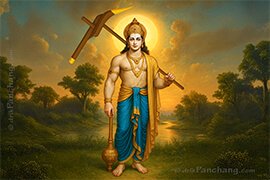
Lord Balarama is the incarnation of Lord Vishnu. Balaram Ji was incarnated in the Dvapara Yuga as the elder brother of Lord Krishna. Balarama Ji is also known by the names Haladhara, Balabhadra, Sankarshana and Dau Bhaiya etc.
The birth anniversary of Lord Balarama is celebrated as Balarama Jayanti. Lord Balarama is the eighth incarnation of Lord Vishnu. Balarama Jayanti is also known as Baladeva Chhath, Mor Chhath, etc.
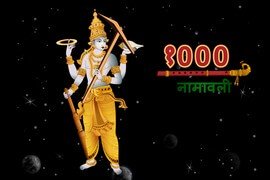
Mantra and Names of Lord Balaram are given. These names are also known as Sahasranamavali of Lord Balarama.
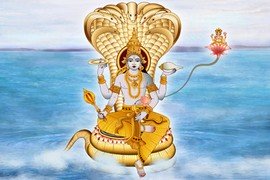
Lord Vishnu is the protector of the entire universe and one of the Trimurti. It is believed that, this visible world is the dream of Lord Vishnu sleeping in Kshirsagar. On this page you can get many information related to Lord Vishnu.
The list of the ten major incarnations of Lord Vishnu and the dates of their birth anniversaries are given on this page. From this page you can also get interesting information about all the incarnations.
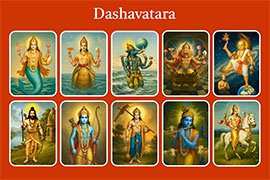
Lord Vishnu keeps taking various incarnations forms from for the welfare of the universe. Here is the ten main incarnations of Lord Vishnu have been described in the religious scriptures as Dashavatara. According to religious scriptures, Kalki incarnation, one of the Dashavatars, is going to appear at the end of the present Kaliyuga.
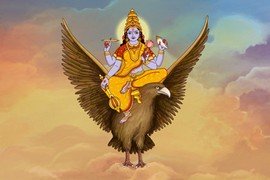
A complete list of Ekadashi dates is given here. Go through the Ekadashi fasting dates list here so that you never miss fasting on Ekadashi. Ekadashi fast is observed with great enthusiasm by the devotees of Lord Vishnu.
ISKCON devotees can get the complete list of ISKCON Ekadashi fasting dates here. This list will prove highly informative and useful to those who observe the fast of Ekadashi as per the ISKCON.
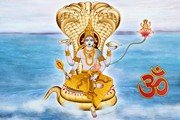
The list of Mantras used in the worship and chanting of Lord Vishnu is available on this page. Some of these Mantras are legendary and some are Vedic. Along with this, the powerful Yantra of Lord Vishnu can also be seen from this page.