



En




Brihaspativara Vrat is one of the most widely observed weekday fasts. By observing this Vrat, many types of problems arising in life are resolved. According to Kula Parampara, i.e., family traditions, devotees worship either Lord Brihaspati or Lord Vishnu on this day. Additionally, performing the Puja of Lord Vishnu in His Shri Satyanarayana form and organizing the Shri Satyanarayana Katha is considered highly auspicious. This Vrat is regarded as extremely beneficial for women.
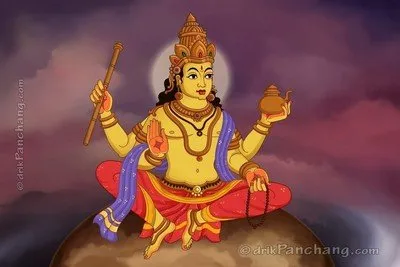
Brihaspati Vrat should be undertaken on a Brihaspativara, i.e., Thursday that coincides with Anuradha Nakshatra. This Vrat is described in scriptures such as Bhavishya Purana, Vrataraja, and Vrat Parichaya. The use of yellow-colored items is considered auspicious in this Vrat. Even those who don't observe the fast can attain prosperity by feeding a cow with dough balls mixed with turmeric and Bengal gram, i.e., Chana Dal on this day.
By worshipping Lord Brihaspati, obstacles in marriage are removed and social respect increases. Devguru Brihaspati blesses His devotees with knowledge, wisdom, status, and fame. This Vrat is also beneficial for pacifying defects related to Brihaspati Graha in the Kundali.
On Thursday, Ekabhukta Vrat is observed, meaning food should be consumed only once during the day. Yellow-colored fruits are used in the fast. Consumption of salt of any kind is prohibited. On this day, the banana tree, its roots, and fruits are also worshipped.
The Vrat should begin on a Thursday that coincides with Anuradha Nakshatra. After completing morning rituals such as bathing, take the Sankalpa - "For the fulfilment of all my desires and for the attainment of wealth, grains, knowledge, and wisdom, I will observe the Brihaspati Vrat and perform the Shodashopachara Puja as part of it."
Thus, the brief and simple method of the Brihaspativara Vrat is completed.
Brihaspativara Vrat is observed for different durations according to various traditions. According to Shri Vrataraja, it should be observed for seven months. Another common method is to observe it for 16 Thursdays and perform the Udyapana on the 17th Thursday, while some observe it for 7 Thursdays.
On the day of Udyapana, bathe in a sacred river and perform Tarpana, then wear yellow clothes. At home, purify the ground with cow dung and create a sacred design. Place a gold idol of Lord Brihaspati in a gold vessel. Adorn Him with a yellow sacred thread and decorate with sandals, footwear, umbrella, and Kamandalu. Offer yellow flowers, sandalwood, Kumkum, incense, lamp, fruits, rice grains, sugar, Naivedya, and gifts, and perform the Puja properly.
Pray to Lord Brihaspati with the following Mantra -
धर्मशस्त्रार्थतत्त्वज्ञ ज्ञानविज्ञानपराग।
विविधार्तिहराचिन्त्य देवाचार्य नमोऽस्तुते॥
Dharmashastrartha Tattvajna Jnana Vijnana Paraga।
Vividhartiharachintya Devacharya Namoastute॥
Meaning - "O knower of the essence of Dharma Shastras! O embodiment of knowledge and wisdom! O remover of various sufferings of the Devas! O incomprehensible one, O Guru of the Devas, I bow to You."
After the prayer, one who is knowledgeable in Mantras should perform Havana with Ghee and sesame seeds. Use 108 or 28 Samidha, i.e., wooden sticks. The Havana should be performed with honey, Ghee, curd, or clarified butter. Pippalaya wood should be used as Samidha. After the Havana, feed Brahmins with yellow food items such as Bengal gram preparations and offer gold as Dakshina. After feeding the Brahmins, partake of the meal yourself along with family members. Thus, the Udyapana of the Brihaspativara Vrat is completed.
This Vrat removes all sins, brings welfare, and grants great merit. If Brihaspati is unfavorably placed in the Kundali, such remedies should be performed. In some places, variations in the Udyapana method are found based on Navagraha traditions.
The story of a miserly Sethani who never gives alms, and a Sadhu Maharaja is described. In the story, the Sethani repeatedly keeps putting off the Sadhu for alms, as a result of which she has to suffer a severe punishment. This fast is dedicated to Devguru Brihaspati.
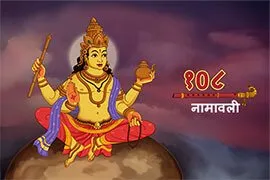
Brihaspati Ashtottara Shatanamavali containing the holy names and Mantras of Lord Brihaspati is given with recitation video. It is also known as Guru Ashtottara Shatanamavali.
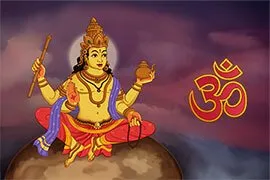
In Hinduism, Lord Brihaspati is worshipped as Devaguru. Marital problems in a person's life are solved by the grace of Devaguru Brihaspati. Mantras of Lord Brihaspati are chanted to attain a Happy Married Life.
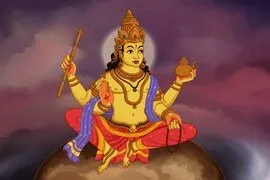
In Hinduism, Lord Brihaspati has been given the title of Devaguru. Devaguru Brihaspati is worshiped by all the Gods. He is the lord of Thursday among the weekdays. Thursday is also called Brihaspativara of Guruvara. Brihaspati Dev is also considered to be the priest of the Gods.
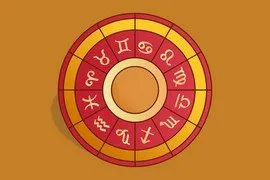
The days and timings of Guru Pushya Yoga for the entire year are listed on this page. Guru Pushya Yoga is formed by the conjunction of Thursday and Pushya Nakshatra. This Yoga is considered best for learning things, starting new work and signing important contracts.