



En



According to the Hindu Panchang, every Samvatsara has a ruling authority known as the Varshesha, that is, the Raja or King. At the beginning of the Samvatsara, a Mantri Mandala or Council of Ministers is formed. In this ministerial council, different planets are assigned to different positions, on the basis of which the auspicious and inauspicious results of that Samvatsara are determined. Apart from the Raja, the ministerial council includes Mantri, Sasyesha, Dhanyesha, Meghesha or Meghapati, Rasesha or Rasapati, Niresha, Phalesha, Dhanesha and Durgesha. These positions, including the Raja, are collectively known as the Dashadhikari. The remaining nine positions apart from the Raja are collectively referred to as the Navanayaka or Navadhipati.
If among the Dashadhikari planets there are more benefic and gentle planets such as Brihaspati and Shukra, the year is considered favorable and prosperous. However, when cruel planets such as Mangal and Shani occupy these positions, the year may experience conflicts or natural calamities. These positions are also known as Raja, Mantri, Senadhipati, Sasyadhipati, Dhanyadhipati, Dhanadhipati or Arghyadhipati, Meghadhipati, Rasadhipati and Nirasadhipati. Navanayaka represents a special group of divine ministers who govern different regions of the world during a particular Samvatsara. Among these, the positions of Raja, Mantri and Senadhipati are considered the most important.
According to scholars of Vedic astrology, the influence of the Varshesha is strongest in regions such as Kashmir and Afghanistan. Similarly, the influence of the Mantri is stronger in eastern regions such as Kalinga, while the influence of Sasyesha is greater in the northeastern and central regions, i.e., Ishana and Madhya Desha. The influence of Dhanyesha is prominent along the banks of the Narmada River and in Madhya Pradesh, that of Meghesha in Magadha or Bihar, and that of Rasesha in the Konkan region and Goa. The influence of Niresha is observed in Ujjain, Indore and the Malwa region, while Phalesha influences western regions such as Kashmir. The effects of Dhanesha and Durgesha are believed to occur uniformly across all regions.
In Samhita Jyotisha, the annual results of planets such as Surya, Chandra, Bhauma, Budha, Brihaspati, Shukra and Shani are described according to these positions. In fact, the description related to the yearly results of planets is known as Graha Varshaphala. The determination of these positions is based on the weekday on which the new year begins or when specific astronomical positions of Surya occur. It is not arbitrary; rather, it is based on specific points in the lunar and solar Panchang that fall on particular weekdays. The ruling planet of that weekday is considered the lord of the respective position. However, in the Drik Panchang, another method is used to determine these positions. In this method, the weekday is considered for the Raja, Ardra Nakshatra for the Meghadhipati, and Sankranti for the other positions.
The ten major positions of the Samvat Ministerial Council, which are also called Dashadhikari, are as follows -
According to the description found in the Hindu Panchang, the weekday on which the Shukla Pratipada of the Chaitra month falls is considered the Raja of that year. The planet occupying the position of Raja influences various events that occur during the year. The Raja of the Samvatsara is used to assess matters such as overall agricultural production, productivity, political conditions, rulers and ministers, material development and the prevalence of various diseases.
According to the mention found in the Narada Samhita -
चैत्राद्येष्वपि मासेषु मेषाद्याः संक्रमाः क्रमात्।
चैत्रादितिथिवारेशस्तस्याब्दस्य त्वधीश्वरः॥
Chaitradyeshvapi Maseshu Meshadyah Sankramah Kramat।
Chaitraditithivareshastasyabdasya Tvadhishvarah॥
Meaning - "In the months beginning with Chaitra, the Surya successively enters the Rashi such as Mesha etc. The ruling planet of the weekday on which the Shukla Pratipada of Chaitra occurs becomes the King, that is, the ruler of that year."
The ruling planet of the weekday on which Mesha Sankranti occurs is called the Mantri. Based on the planet occupying the position of Mantri, predictions are made regarding rainfall, seasonal conditions, the happiness or suffering of the people, saints, ascetics, Yogis, actors, livestock, space research and developments in the field of science.
According to the mention found in the Narada Samhita -
मेषसंक्रान्तिवारेशो भवेत्सोऽपि च भूपतिः।
Meshasankrantivaresho Bhavetsoapi Cha Bhupatih।
Meaning - "The ruling planet of the weekday on which Mesha Sankranti occurs becomes the Minister, i.e., Mantri."
The ruling planet of the weekday on which Karka Sankranti occurs is called Sasyadhipati or Sasyesha. The position of Sasyesha is examined to determine results related to Kharif crops, rainfall, agricultural activities, agricultural policy, market trade, scholars, musicians, performing arts, foreign trade and international affairs.
According to the mention found in the Narada Samhita -
कर्कटस्य तु वारेशो सस्येशस्तत्फलं ततः॥
Karkatasya Tu Varesho Sasyeshastatphalam Tatah॥
Meaning - "The ruling planet of the weekday on which Karka Sankranti occurs becomes the Sasyesha."
The planet that governs grains is called Dhanyadhipati or Dhanyesha. Crops harvested during the month of Chaitra such as wheat, barley, chickpeas, pigeon peas, peas and Ramasa are influenced by Dhanyesha. Additionally, matters related to rice, sugarcane, sugar, Bura, pickles, preserves and beverages are also assessed based on Dhanyadhipati.
The Lord of rainfall and clouds is called Meghadhipati or Meghesha. According to traditional belief, the ruling planet of the weekday on which the Surya enters Ardra Nakshatra becomes Meghadhipati or Meghesha. The planet occupying this position influences rainfall, water resources such as dams and lakes, the condition of the monsoon, the flow of rivers and phenomena such as thunder and lightning.
The ruling planet of the weekday on which Tula Sankranti occurs is called Rasadhipati. Rasadhipati or Rasesha is considered the lord of liquids such as juices, oils and other fluid substances. The production of liquid substances, sweet sap products, sugarcane, sugar, jaggery, as well as substances such as Guggul, sandalwood, Roli-Kumkum, sesame and castor are governed by Rasadhipati.
According to the mention found in the Narada Samhita -
तुलासंक्रान्तिवारेशो रसानामधिपः स्मृतः।
Tulasankrantivaresho Rasanamadhipah Smritah।
Meaning - "The ruling planet of the weekday on which Tula Sankranti occurs becomes the Lord of Rasas."
The ruling planet of the weekday on which Makara Sankranti occurs is called Nirasadhipati or Niresha. Nirasadhipati is described as the lord of metals and minerals. Underground resources such as diesel, petrol, kerosene, oil, asphalt, copper, coal and other minerals are governed by Nirasadhipati. Various types of stones, gems, conch shells, sandalwood, emeralds, diamonds and pearls are also influenced by the planet occupying the position of Nirasadhipati.
According to the mention found in the Narada Samhita -
मकराधिपतिः साक्षान्नीरसस्य पतिः क्रमात्॥
Makaradhipatih Sakshannirasasya Patih Kramat॥
Meaning - "The ruling planet of the weekday on which Makara Sankranti occurs becomes Niresha, the lord of metals such as gold, garments and similar materials."
According to the Hindu Panchang, in the ministerial council of the Samvatsara the planet that governs fruits, horticulture, orchards, fruit-bearing trees and gardens during that year is called Phaladhipati or Phalesha. Matters such as fruit trade and prices, quantity of fruit production, the condition of fruit trees including diseases and flowering and the prosperity or decline of orchards are evaluated based on the planet occupying the position of Phalesha.
The condition of fruits, flowers and fragrant plants, the production of flowers, vegetables, grasses and fodder, as well as damage to fruits caused by frost, snowfall or animals are also influenced by Phalesha.
Industries, factories, business sectors, wealth, employment, banking, marketing, various means of livelihood and different types of vehicles across regions are governed by Dhanadhipati. The condition of markets, buying and selling of crops and other economic activities are also influenced by Dhanadhipati. Dhanadhipati is also known as Dhanesha or Arghyadhipati.
The ruling planet of the weekday on which Simha Sankranti occurs is called Senadhipati or Durgesha. The responsibility of defense such as land, water and air forces, forts and national borders falls under Senadhipati. Because of the protection of forts, this position is also called Durgesha. Activities related to the police, the military, defense operations, terrorism and national security are also influenced by the planet occupying the position of Durgesha.

When Surya becomes King, rainfall decreases, the people suffer, theft increases, trees produce fewer fruits and flowers, and conflicts arise among kings.

When Chandra becomes King, auspicious activities increase, the number of cows grows, adequate rainfall occurs, wealth and food grains prosper, and the people remain happy and free from diseases.

When Mangal becomes King, there is fear of fire, scarcity of food grains, less rainfall, an increase in theft, and the possibility of wars and conflicts among kings.

When Budha becomes King, the Earth becomes rich in wealth and food grains, good rainfall occurs, people engage in marriages, festivals, Yajna and other auspicious activities, and prosperity prevails everywhere.

When Brihaspati becomes King, there is excellent rainfall, cows give more milk, Yajna and religious celebrations increase, and fruits and flowers grow in abundance.

When Shukra becomes King, rivers, ponds, and wells remain filled with water, food grains become abundant, trees bear fruits, cows give more milk, and the people remain happy.

When Shani becomes King, rainfall decreases, diseases spread, wars may occur, famine can arise, and fruits and flowers are damaged.
When Surya becomes Mantri, rainfall decreases, food grains become scarce, goods become expensive, diseases and fear increase, and wars occur among kings.
When Chandra becomes Mantri, rainfall is good, food grains and livestock increase, and both the people and the kings attain prosperity.
When Mangal becomes Mantri, rainfall decreases, food grains become expensive, fear of fire increases, theft rises, and the possibility of war remains.
When Budha becomes Mantri, rainfall is good, food grains, milk, and agricultural wealth increase, and the royal treasury grows.
When Brihaspati becomes Mantri, the people remain joyful, food and wealth become abundant, goods become cheaper, and trees flourish.
When Shukra becomes Mantri, rainfall is good, food grains and milk increase, and the people remain happy and prosperous.
When Shani becomes Mantri, suffering, diseases, and loss of food grains occur, and rainfall becomes very scarce.
When Surya becomes Sasyadhipati, rainfall decreases, crops are damaged, diseases spread, thieves remain active, and the possibility of war arises. The milk yield of cows also decreases.
When Chandra becomes Sasyadhipati, good rainfall occurs, all crops ripen well, food grains remain available at proper prices, and the people remain happy.
When Mangal becomes Sasyadhipati, diseases increase, food grains become expensive, rainfall decreases, and there is fear of fire and theft.
When Budha becomes Sasyadhipati, sufficient rainfall occurs, the Earth remains filled with water, new crops grow, and people remain happy.
When Brihaspati becomes Sasyadhipati, rainfall is good, fruits, flowers, and food grains grow abundantly, and the people remain joyful.
When Shukra becomes Sasyadhipati, people remain free from diseases, crops ripen well, trees remain full of blossoms, and rainfall is abundant.
When Shani becomes Sasyadhipati, there is scarcity of food grains, rainfall decreases, there is fear of fire, and many diseases spread.
When Surya becomes Meghadhipati, clouds appear in abundance, but rainfall remains scarce, and trees bear fewer fruits and flowers.
When Chandra becomes Meghadhipati, rivers and ponds fill with water, food grains become abundant, and the growth of rice, sugarcane, cows, and aquatic creatures increases.
When Mangal becomes Meghadhipati, strong winds blow, rainfall becomes scarce, food grains become insufficient, and fear of fire and diseases increases.
When Budha becomes Meghadhipati, rainfall occurs according to the needs of farmers, the Earth becomes full of creepers, flowers, and fruits, and occasionally diseases and conflicts among kings may arise.
When Brihaspati becomes Meghadhipati, rainfall becomes plentiful, friendship generally prevails among kings, and people remain engaged in religious and auspicious activities.
When Shukra becomes Meghadhipati, rainfall increases, food grains become abundant, and homes remain filled with celebrations and joy.
When Shani becomes Meghadhipati, rainfall becomes very scarce, crop production declines, diseases increase, and the economic condition of kings weakens.
When Surya becomes Rasadhipati, the prices of cotton, oil, sugarcane, jaggery and similar items increase. Severe cold conditions may occur, and water in ponds, lakes, and stepwells decreases.
When Chandra becomes Rasadhipati, cows give more milk, living beings become well-nourished, and Brahmins remain engaged in Yajna and religious rites.
When Mangal becomes Rasadhipati, gold and silver become scarce. Jaggery becomes cheap, but the prices of honey, Ghee, and betel nut increase.
When Budha becomes Rasadhipati, the growth of Jamun, Mahua, Amla, mango and other trees increases. Flowering creepers and groves expand, and crops near water bodies increase.
When Brihaspati becomes Rasadhipati, gold, Ghee, silk, cotton, jaggery, and clothes become easily available, and rainfall increases.
When Shukra becomes Rasadhipati, the number of cows increases. Salt, sugarcane, lac, bronze, flax, clothes, and Ghee remain available at proper prices, and rainfall is sufficient.
When Shani becomes Rasadhipati, items like indigo, woolen cloth, and iron become expensive. Liquid substances also become costly, and rainfall decreases.
When Surya becomes Dhanyadhipati, conflicts arise among kings, food grains and water do not increase, and people suffer from fevers and diseases.
When Chandra becomes Dhanyadhipati, prosperity prevails, people remain joyful, the royal treasury increases, and cows give abundant milk.
When Mangal becomes Dhanyadhipati, there is fear of fire and diseases, rainfall decreases, crops and fruits are produced less, and disagreements arise among scholars.
When Budha becomes Dhanyadhipati, wheat, rice, sugarcane, barley and other grains increase. Scholars prosper and Brahmins remain engaged in the study of the Vedas.
When Brihaspati becomes Dhanyadhipati, Brahmins engage in Yajna, cows and buffaloes give more milk, sufficient rainfall occurs, and food grains become abundant.
When Shukra becomes Dhanyadhipati, auspicious rituals take place in every household, trees bear fruits and flowers, sufficient rainfall occurs, and food grains become plentiful.
When Shani becomes Dhanyadhipati, rainfall does not occur, diseases spread, food grains become scarce, and people wander about in fear.
When Surya becomes Dhanadhipati, the income of traders increases. Wealth is gained through livestock and trade, and industrialists and people connected with governance receive special benefits.
When Chandra becomes Dhanadhipati, trade in milk, Ghee, beverages, oil and fruit juices become profitable, and these products increase.
When Mangal becomes Dhanadhipati, instability appears in trade and markets. Crops suffer damage, but those who store goods gain profit.
When Budha becomes Dhanadhipati, people tend to store goods. Brahmins engage in Japa, Tapa and Yajna rituals, and people show greater interest in agriculture.
When Brihaspati becomes Dhanadhipati, traders benefit. Trees bear abundant fruits and flowers, and people obtain wealth and prosperity.
When Shukra becomes Dhanadhipati, people become wealthy and happy. Trade succeeds, governance runs smoothly, and joy prevails everywhere.
When Shani becomes Dhanadhipati, scarcity of wealth occurs. Traders and farmers face difficulties, and people suffer from diseases and hardships.
When Surya becomes Nirasadhipati, the prices of gold, silver, copper, sandalwood and gems such as ruby, pearl and topaz increase, benefiting goldsmiths and metal-gem traders.
When Chandra becomes Nirasadhipati, the prices of pearls, silver, white garments and other white-colored items increase.
When Mangal becomes Nirasadhipati, the prices of coral, red garments, red sandalwood and copper increase. The production of some goods decreases and obstacles may arise in mineral production.
When Budha becomes Nirasadhipati, the prices of conch, sandalwood, emerald, diamond, pearl and various metals increase, while the production of minerals like coal, stone and oil may decrease.
When Brihaspati becomes Nirasadhipati, turmeric, yellow garments and other yellow-colored items increase, and feelings of happiness and contentment grow among the people.
When Shukra becomes Nirasadhipati, the prices of fragrant substances like camphor and agar increase. The prices of gold, silver, pearls and garments also rise.
When Shani becomes Nirasadhipati, the prices of iron, machinery, black garments, blankets, steel utensils and vehicles increase. Weapons and gunpowder also become expensive.
When Surya becomes Phaladhipati, trees, fruits and flowers increase. Rainfall is good and the people remain pleased.
When Chandra becomes Phaladhipati, fruits and flowers increase on trees and creepers. Scholars gain respect and rulers govern justly.
When Mangal becomes Phaladhipati, fruits and flowers decrease. Diseases increase, conflicts arise and the prices of goods rise.
When Budha becomes Phaladhipati, rainfall is abundant. Fruits, flowers and agricultural production increase, and people remain happy.
When Brihaspati becomes Phaladhipati, vegetation and trees flourish abundantly. People remain fearless, and interest in Dharma and study increases.
When Shukra becomes Phaladhipati, grass, plants, fruits and flowers grow in abundance. People remain happy and religious activities increase.
When Shani becomes Phaladhipati, rainfall becomes irregular. The production of fruits, vegetables and grass decreases and the prices of goods remain unstable.
When Surya becomes Senadhipati, justice increases in the kingdom. Discrimination decreases and both the king and the people remain fearless.
When Chandra becomes Senadhipati, governance functions smoothly. The standard of living improves and milk production increases.
When Mangal becomes Senadhipati, suffering and dissatisfaction increase. Trade slows down and there may be scarcity of water and food grains.
When Budha becomes Senadhipati, cooperation increases among people. Roads remain safe and people remain fearless.
When Brihaspati becomes Senadhipati, justice and administration remain strong. Comfort and facilities become available in all regions.
When Shukra becomes Senadhipati, leaders and the elite become prosperous. People experience peace and comfort.
When Shani becomes Senadhipati, conflicts and unrest increase. People suffer and agriculture yields less profit.
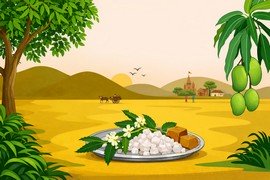
According to the Hindu Panchang, the Shukla Paksha Pratipada of the Chaitra month is celebrated as the first day of the Hindu New Year. In Karnataka and Andhra Pradesh, this day is observed as Ugadi, while in Maharashtra, the festival is popularly known as Gudi Padwa.
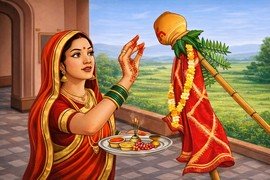
Gudi Padwa or Samvatsar Padvo is celebrated as the first day of the year by Maharashtrians and Konkanis according to Luni-Solar calendar. Gudi Padwa is celebrated as Ugadi by the people of Karnataka and Andhra Pradesh.
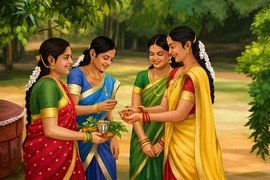
Ugadi marks the beginning of the New Year according to the lunisolar calendar. This festival is also known as Yugadi. In Andhra Pradesh and Telangana, Ugadi is celebrated as a festival on the first day of the year. On this day, a new Samvatsara begins.
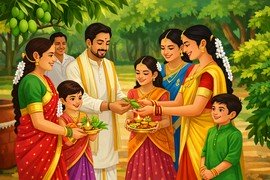
Yugadi is celebrated as the first day of the year by people of Karnataka. On this day the new Samvatsara begins. In Maharashtra, Yugadi festival is celebrated as Gudi Padwa.
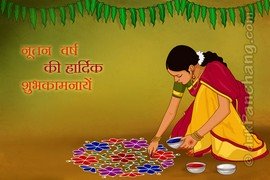
Ugadi, Gudi Padwa and Hindi New Year Greetings are given on this page. These greetings have been presented with beautiful and colorful pictures, through which you can send New Year wishes to your loved ones.
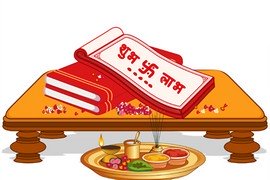
Shukla Paksha Pratipada in the Hindu month of Kartik is celebrated as Nutan Varsh or New Year by Gujarati community. On this occasion, old Chopda, i.e. account books are closed and new account books are worshipped, which is known as Chopda Pujan.
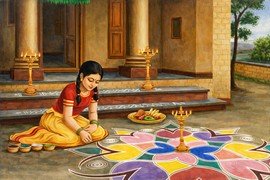
Puthandu is also known as the Tamil New Year or Varusha Pirappu. It is observed on first day of Tamil month Chithirai.
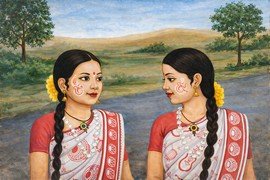
Mesha Sankranti is celebrated as Naba Barsha or Pohela Boishakh in West Bengal
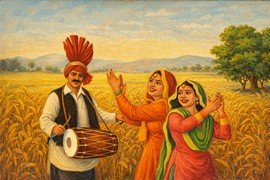
Location based Vaisakhi Sankranti Timings are provided. It's an ancient religious and harvest festival celebrated mainly in Punjab. In the Hindu Solar Calendar, Vaisakhi is also celebrated as the Sikh New Year. Sikh community also celebrate this festival as the foundation day of the Khalsa Panth.
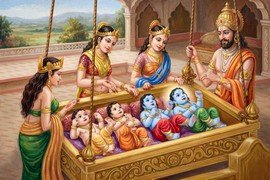
Hindu devotees celebrate the birth anniversary of Lord Rama on Rama Navami. On this day, Lord Ram was born to King Dasharatha and Queen Kaushalya of Ayodhya. Visit this page to know the date and time of the upcoming Rama Navami.
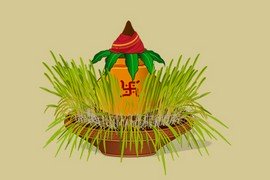
According to Hindu calendar, there are four Navratri festivals yearly. Navratri falls in the Shukla Paksha of Chaitra month is known as Chaitra Rama Navratri. For nine days of Navratri, nine different forms of Mother Goddess, who are called Navadurga, are worshipped.
The Auspicious time and Abhijit Muhurat is given for performing Ghatasthapana on Chaitra Navratri. Ghatasthapana is one of the significant rituals during Chaitra Navratri. It marks the beginning of nine days festivity. Ghatasthapana is also known as Kalash Sthapana.