


En


Devotees can decide the type of Ekadashi fasting during Sankalp according to their will power and physical strength. In religious texts four types of Ekadashi fasting has been mentioned.
1. Jalahar (जलाहर) i.e. Ekadashi fasting with only water. Most devotees observer this fasting during Nirjala Ekadashi. However devotees can observe it on all Ekadashi fasting.
2. Ksheerbhoji (क्षीरभोजी) i.e. Ekadashi fasting on Ksheer. Ksheer refers to milk and milky juice of plants. But in Ekadashi context it should be all products made of milk.
3. Phalahari (फलाहारी) i.e. Ekadashi fasting on fruits only. One should consume only high class of fruits like mango, grapes, banana, almond, and pistachios etc. and should not eat leafy vegetables.
4. Naktabhoji (नक्तभोजी) i.e. having single meal in a day just before sunset. Single meal should not have any variety of grains and cereals including beans, wheat, rice and pulses which are forbidden during Ekadashi fasting.
Staple diet for Naktabhoji during Ekadashi fasting includes Sabudana, Singhada (Water caltrop and also known as Chestnut), Shakarkandi, Potatoes and Groundnuts.
For many Kuttu Atta (BuckWheat Flour) and Samak (Millet Rice) is also staple diet during single Ekadashi meal. However validity of both items as Ekadashi food is debatable as those are considered semi-grains or pseudo grains. It is better to avoid these items during fasting.
Since years we get queries related to Ekadashi fasting across the globe. Although, for someone born in religious Hindu family, such queries might look basic but there are Lord Vishnu devotees who get confused with basic Ekadashi timings given on Drik Panchang to observe Ekadashi Vrat.
These are Tithi timings given in Panchang (just similar to weekdays Sunday, Monday, etc. which begins at midnight and ends at next midnight) and help to decide the correct date to observe Ekadashi fasting. As Ekadashi Tithi might begin at any time of the day and mostly split over two days, on the basis of these timings one day is preferred over the other to observe fasting. Once you have fasting date you don't need them and we list them just for information. These timings are not needed to observe fasting.
No. As we mentioned above Tithi begin time is not needed for Ekadashi fasting. Ekadashi fasting always begins with Sunrise and mostly ends after next day Sunrise. Ekadashi is usually 24 hours fasting observed form local Sunrise to next Sunrise.
Having said that, it is also important to mention that devotees skip dinner made of all sorts of grains on previous night to avoid any residual food/grain in stomach when they begin fasting with Sunrise. In other words some devotees begin Ekadashi fast with sunset on previous day as per their devotion to Lord Vishnu.
When we list two dates for Ekadashi, to keep it simple, you take the first date and observe the fast for single day. First date is preferred over the second date when you decide to keep the fast for single day only. It is quite normal to have single day fasting even it is listed for two consecutive dates. If one has stamina, one can keep the fast for two days.
You begin the fast with local Sunrise which continues to next Sunrise. However fast is not always broken with next Sunrise. To get the full credit of fasting, Ekadashi fast is broken at an appropriate time after next day Sunrise which might prolong the fasting up to afternoon and beyond. Hence one can notice that for few fasting Parana time (i.e. time to break the fast) on next day is during lunch time.
Hari Vasara time is prohibited to break Ekadashi fast. If one cannot continue fasting till noon or in case of urgency one can break the fast, after Hari Vasara ends. However more appropriate time is after few hours of Hari Vasara end time.
Many people observe Ekadashi Vrat as well as Pradosh Vrat. Usually there is a gap of single day between Ekadashi and Pradosh fasting. However, many times they are observed on two consecutive days. Many devotees want to know how to break Ekadashi fast on the next day when Pradosh is getting observed on the same day. It is suggested to do symbolic Ekadashi Parana with only water and continue the Pradosh without actually breaking the fast. Although seems difficult but it is quite normal in Hinduism to fast on two consecutive days.
In Hindu religious texts, Ekadashi fast has been described as the most sacred and fruitful fast. The fast of Ekadashi is dedicated to Lord Vishnu. If for some reason the fast is broken, then one should seek forgiveness while worshiping Him. Atone for your mistake and resolve not to repeat that mistake in future. The following deeds can be done for atonement.
Following solutions can be taken if Ekadashi fast is broken -
मन्त्रहीनं क्रियाहीनं भक्तिहीनं जनार्दन।
यत्पूजितं मया देव परिपूर्ण तदस्तु मे॥
ॐ श्री विष्णवे नमः। क्षमा याचनाम् समर्पयामि॥
Mantrahinam Kriyahinam Bhaktihinam Janardana।
Yatpujitam Maya Deva Paripurna Tadastu Me॥
Om Shri Vishnave Namah| Kshama Yachanam Samarpayami॥
Fasting and worship etc. are completely a matter of reverence and devotion. Therefore, even if you commit any mistake during the fast due to ignorance, have full faith in your deity and apologize to him. There is no need to be afraid but do not behave arbitrarily during the fast under laziness and carelessness. Lord Shri Hari Vishnu is completely aware of the feelings of all living beings and provides results accordingly.
Notes: All timings are represented in 12-hour notation in local time of Lancaster, United States with DST adjustment (if applicable).
Hours which are past midnight are suffixed with next day date. In Panchang day starts and ends with sunrise.
According to the Hindu Panchang, the Ekadashi which comes between Holika Dahan and Chaitra Navratri is known as Papamochani Ekadashi. It falls before Yugadi and it is the last Ekadashi of the Samvat year. Papamochani Ekadashi is observed during Krishna Paksha of Chaitra month according to North Indian Purnimanta calendar and Krishna Paksha of Phalguna month according to South Indian Amanta calendar. However, both North Indian and South Indian observe it on the same day. Currently it falls in month of March or April in English calendar.
Papamochani Ekadashi is considered one of the very important Ekadashi Tithis in the Hindu tradition. According to Puranic beliefs, this Ekadashi is regarded as one that destroys the sins of a person and grants spiritual purification. Therefore, it is named Papamochani, which means the Ekadashi that liberates one from sins. By observing the fast of this Ekadashi, a person can become free from sins committed in the past. This fast is dedicated to Lord Vishnu; therefore, on this day devotees perform the worship, devotion, and remembrance of the name of Lord Vishnu. Observing the Ekadashi fast brings purification of the mind, inner peace, and the attainment of Punya, i.e., religious merit.
According to the Papamochani Ekadashi Vrat Katha, the significance of this Ekadashi was described by Lord Krishna to the great archer Arjuna. He said that the person who observes this Ekadashi fast with devotion and discipline becomes freed from the accumulated sins of many births. This fast inspires a person to stay away from sinful deeds and to live a righteous life.
A person observing the Ekadashi fast should not begin the fast, during Mala Maas and similar periods. When Guru and Shukra are not Asta, the fast should commenced from the Ekadashi of the months of Chaitra, Vaishakha, Magha or Margashirsha, and thereafter the fast should be observed with devotion and reverence. During the three days of Dashami, Ekadashi and Dwadashi, the observer of the fast should abstain from the use of bronze utensils, masoor, chickpeas, leafy vegetables, honey, oil, sexual relations, gambling, Atyambupana, i.e., excessive drinking of water, and false speech.
On the first day of the fast, that is the Dashami Tithi, one should take Havishyanna only once in the day, which includes barley, wheat, green gram, rock salt, black pepper, sugar, cow Ghee and similar simple foods. On the night of Dashami, one should contemplate the Ekadashi fast, and on Ekadashi morning, after completing bathing and daily rituals, the following Sankalpa should be taken -
मम कायिकवाचिकमानसिकसांसर्गिकपातकोपपातकदुरितक्षयपूर्वकश्रुतिस्मृतिपुराणोक्तफलप्राप्तये
श्रीपरमेश्वरप्रीतिकामनया एकादशीव्रतमहं करिष्ये।
Mama Kayika Vacika Manasika Sansargika Pataka Upapataka
Durita Kshaya Purvaka Shruti Smriti Purana Ukta Phala Praptaye
Shri Parameshvara Priti Kamanaya Ekadashi Vratam Aham Karishye।
Meaning - "For the destruction of sins and faults arising from my body, speech, mind, and association, and for attaining the results described in the Shruti, Smriti, and Puranas, and with the desire to please the Supreme Lord, I shall observe the Ekadashi Vrat."
After taking the Sankalpa, worship the Lord with devotion and according to proper ritual procedure. Thereafter offer fine fragrance, flowers, Dhupa, Dipa and Naivedya to the Lord and perform Nirajana or Aarti. After that recite Japa, perform Havan, and chant Stotram. Please the Lord through singing, musical instruments, and devotional dance, and finally perform Pradakshina and Dandavat Pranam.
In this manner, while spending the day in the service and remembrance of the Lord, observe a night vigil with Katha, discussions, recitation of Stotram, or Bhajans. Thereafter, on Dwadashi, after performing worship again, conclude the fast by performing the Parana.
Parana means breaking the fast. Ekadashi Parana is done after sunrise on next day of Ekadashi fast. It is necessary to do Parana within Dwadashi Tithi unless Dwadashi is over before sunrise. Not doing Parana within Dwadashi is similar to an offence.
Parana should not be done during Hari Vasara. One should wait for Hari Vasara to get over before breaking the fast. Hari Vasara is first one fourth duration of Dwadashi Tithi. The most preferred time to break the fast is Pratahkal. One should avoid breaking the fast during Madhyahna. If due to some reasons one is not able to break the fast during Pratahkal then one should do it after Madhyahna.
At times Ekadashi fasting is suggested on two consecutive days. It is advised that Smartha with family should observe fasting on first day only. The alternate Ekadashi fasting, which is the second one, is suggested for Sanyasis, widows and for those who want Moksha. When alternate Ekadashi fasting is suggested for Smartha it coincides with Vaishnava Ekadashi fasting day.
Ekadashi fasting on both days is suggested for staunch devotees who seek for love and affection of Lord Vishnu.
Papamochani Ekadashi Vrat Katha related to the Medhavi Rishi and the Apsara named Manjughosha has been described. This story was narrated by Lomasha Rishi to King Mandhata and by Lord Krishna to Arjuna. This story is recited and listened on the day of Papamochani Ekadashi.
Mantras and Names of Lord Vishnu with meaning and recitation video are given. These Names are also known as Ashtottara Shatanamavali of Lord Vishnu.
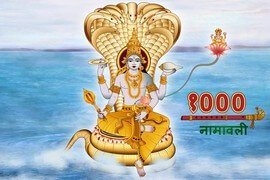
Mantras and names of Lord Vishnu, known as Sahasranamavali is given with meaning and recitation video. These Mantras are chanted on various occasions including Ekadashi.
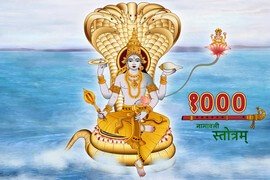
Shri Vishnu Sahasranama Stotram containing 1000 names of Lord Vishnu is given with Sanskrit lyrics and recitation video. This Stotram is recited on various occasions of Vishnu Ji including Ekadashi.
The list of Mantras used in the worship and chanting of Lord Vishnu is available on this page. Some of these Mantras are legendary and some are Vedic. Along with this, the powerful Yantra of Lord Vishnu can also be seen from this page.
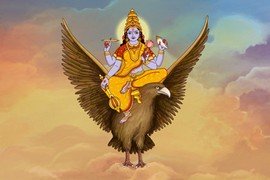
Aarti is one of the most important rituals of worshipping any deity. Ekadashi Aarti is a prayer dedicated to Goddess Ekadashi. This Aarti can be sung during Ekadashi fasting and on various occasions related to Ekadashi.
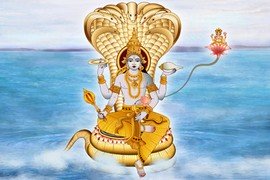
Here we have listed Ekadashi Timings and all the important FAQs related to the Ekadashi fasting so that devotees can avoid the most common mistakes made while observing Ekadashi Vrat.

Learn about the food during Ekadashi Fasting. Being careful while eating anything during the Ekadashi fast is highly important. Devotees can know here what they can eat and what they should avoid eating during Ekadashi fasting.
A complete list of Ekadashi dates is given here. Go through the Ekadashi fasting dates list here so that you never miss fasting on Ekadashi. Ekadashi fast is observed with great enthusiasm by the devotees of Lord Vishnu.
ISKCON devotees can get the complete list of ISKCON Ekadashi fasting dates here. This list will prove highly informative and useful to those who observe the fast of Ekadashi as per the ISKCON.
Lord Vishnu is the protector of the entire universe and one of the Trimurti. It is believed that, this visible world is the dream of Lord Vishnu sleeping in Kshirsagar. On this page you can get many information related to Lord Vishnu.
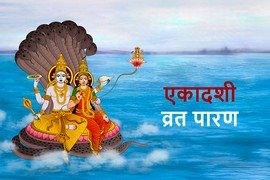
Ekadashi Vrat Parana Vidhi as described in religious texts is given on this page. Breaking or completing the fast called Parana. On this day, devotees conclude their fast by doing Brahmin Bhoja, Pujan, Havan etc. religious activities.
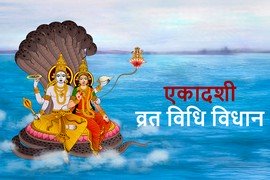
Ekadashi Vrat Rituals are described on this page. What is prohibited during the fast of Ekadashi or what should be done on Ekadashi day etc. important facts have been briefly described on this page. These facts are very important for devotees.
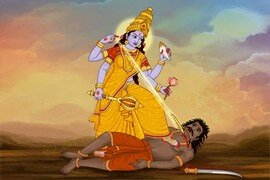
Goddess Ekadashi is considered as the Yoga Maya of Lord Vishnu. Utpanna Ekadashi is the greatest Ekadashi of all. On this day, Goddess Ekadashi was manifested to kill demon named Mura.

It is believed that Vaikuntha Dwaram is opened on this day and devotees who observe fast on Vaikuntha Ekadashi attain salvation. This is a popular Ekadashi in Tamil calendar. Vaikuntha Ekadashi is also known as Mukkoti Ekadashi.