



En



According to the Hindu Panchang, if the Pushya Nakshatra prevails from sunrise to sunset on the day of Dwadashi Tithi, it is known as Jaya Mahadwadashi. More...
Notes: All timings are represented in 12-hour notation in local time of Lancaster, United States with DST adjustment (if applicable).
Hours which are past midnight are suffixed with next day date. In Panchang day starts and ends with sunrise.
According to the Hindu Panchang, the Krishna Paksha Dwadashi that occurs approximately fifteen days after the Shravana Shukla Damodara Dwadashi is called Krishna Damodara Dwadashi. The Dwadashi Tithi is considered extremely dear to Lord Vishnu. Devotees of Lord Vishnu observe not only the Ekadashi Vrat but also the Dwadashi Vrat with great devotion. On this day, in Vaishnava temples, special worship and Abhisheka of Lord Vishnu or Lord Krishna are performed. Thereafter, devotees engage in Bhajana and Kirtana to please the Lord.
Followers of ISKCON also accord great importance to the observance of Dwadashi Tithi. In fact, Dwadashi Vrat is considered even more significant than Ekadashi Vrat. The Narada Purana, Padma Purana and Bhavishya Purana describe in detail the various Dwadashi fasts observed throughout the year. Observing the Dwadashi Vrat with proper rituals destroys the sins of many lifetimes and brings the devotee the divine grace of Lord Vishnu. Chanting the sacred names of the Lord on this day is also believed to be highly auspicious and beneficial.
The Gaudiya Sampradaya also regards the Dwadashi Tithi as especially sacred. On this day, devotees of the Gaudiya tradition wake up during Brahma Muhurta and if possible, bathe in a river or other holy water body. They then install an idol of Lord Vishnu or Lord Krishna and worship Him with Tulasi leaves, sandalwood paste, flowers, incense, Dipa and Naivedya. In Gaudiya Math temples, Lord Vishnu or Lord Krishna is specially worshipped with Tulsi leaves on this day.
For the detailed procedure of this Vrat, refer to the Damodara Dwadashi observed on Shravana Shukla Dwadashi.
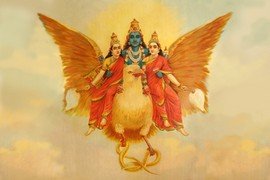
The Damodara Dwadashi Vrat Katha, observed on the Shukla Dwadashi of the Shravana month is described here. This story mentions how Goddess Dwadashi protected King Nriga from fourteen thousand huntsmen. Goddess Dwadashi always protects those who observe the Dwadashi Vrat.
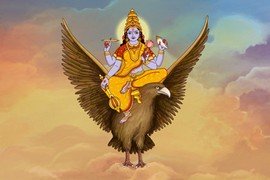
A complete list of Ekadashi dates is given here. Go through the Ekadashi fasting dates list here so that you never miss fasting on Ekadashi. Ekadashi fast is observed with great enthusiasm by the devotees of Lord Vishnu.
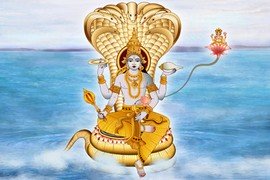
ISKCON devotees can get the complete list of ISKCON Ekadashi fasting dates here. This list will prove highly informative and useful to those who observe the fast of Ekadashi as per the ISKCON.
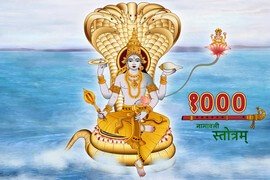
Shri Vishnu Sahasranama Stotram containing 1000 names of Lord Vishnu is given with Sanskrit lyrics and recitation video. This Stotram is recited on various occasions of Vishnu Ji including Ekadashi.
Mantras and names of Lord Vishnu, known as Sahasranamavali is given with meaning and recitation video. These Mantras are chanted on various occasions including Ekadashi.
Shri Vishnu Ashtottarashatanama Stotram dedicated to Lord Vishnu is given with Sanskrit lyrics and recitation video. This Stotram is taken from Vishnu Manjari.
Mantras and Names of Lord Vishnu with meaning and recitation video are given. These Names are also known as Ashtottara Shatanamavali of Lord Vishnu.
Shri Vishnu Chalisa is given with Hindi lyrics and recitation video. Vishnu devotees recite this Chalisa every day. It is called Chalisa because it consists of 40 Chaupayi(s).
Shri Vishnu Shodashanama Stotram containing 16 names of Lord Vishnu is given with Sanskrit lyrics and recitation video. This Stotram is recited on various occasions of Vishnu Ji including Ekadashi.
Shri Vishnu Namashtakam dedicated to Lord Vishnu is given with lyrics and recitation video. Reciting this Ashtakam containing the eight holy names of Lord Vishnu brings blessings from Him
The given Shri Vishnu Dashavatara Stotram is a very melodious and effective Stotram dedicated to the ten incarnations of Lord Vishnu.
The most popular Jai Jagdish Aarti dedicated to Lord Vishnu is given with Hindi lyrics and recitation video. This Aarti is sung during the daily worship of Lord Vishnu.
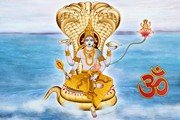
The list of Mantras used in the worship and chanting of Lord Vishnu is available on this page. Some of these Mantras are legendary and some are Vedic. Along with this, the powerful Yantra of Lord Vishnu can also be seen from this page.
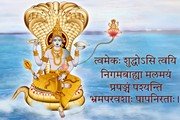
Shri Parameshwara Stuti Stotram is a very important Stotram dedicated to Lord Vishnu. Devotees recite this Stuti to obtain the grace of Lord Vishnu.