



En




According to the Hindu Panchang, when the Ekadashi Tithi extends beyond its usual duration, the Dwadashi associated with the Adhika Ekadashi is observed as Unmilini Mahadwadashi. More...
Notes: All timings are represented in 12-hour notation in local time of Lancaster, United States with DST adjustment (if applicable).
Hours which are past midnight are suffixed with next day date. In Panchang day starts and ends with sunrise.
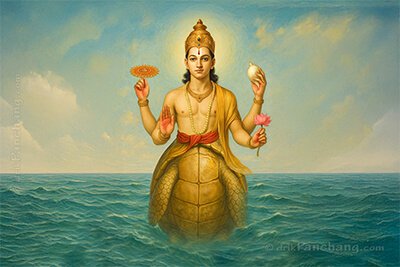
According to the Hindu Panchang, the Krishna Paksha Dwadashi that falls approximately fifteen days after the Pausha Shukla Kurma Dwadashi is known as Krishna Kurma Dwadashi. The name Krishna Kurma Dwadashi is based on the Kurma Avatara of Lord Vishnu. In ancient times, during the event of Samudra Manthan when Mount Mandarachal began to sink into the ocean, Lord Vishnu incarnated in the form of a Kurma, i.e., tortoise and supported the mountain on His back.
Worshipping Lord Vishnu on the Dwadashi Tithi brings auspiciousness and well-being. The acts of chanting (Japa), austerity (Tapa), sacred fire offerings (Havana-Yajna) and charity (Dana) performed on this day yield manifold results. In ancient times, many sages and kings observed the Dwadashi Vrat to remove their sufferings. Scholars have regarded this Vrat as supremely meritorious and highly purifying.
According to the Bhavishya Purana, whenever this Dwadashi coincides with the Mula or Purva Ashadha Nakshatra, the Til Dwadashi Vrat is observed. Purana states that a person who observes the Til Dwadashi Vrat never becomes blind, deaf or diseased like a leper in any birth and always remains healthy.
To learn the method of observing this Vrat, refer to the procedure of Kurma Dwadashi observed on Pausha Shukla Dwadashi.
The Kurma Dwadashi Vrat is described in the Varaha Purana as being observed on the Shukla Dwadashi of the Pausha month. On this day, devotees read and listen to the Kurma Dwadashi Vrat Katha. In this narrative, Sage Durvasa explains the procedure and significance of the Kurma Dwadashi Vrat at the request of Satyatapa.
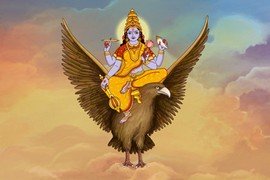
A complete list of Ekadashi dates is given here. Go through the Ekadashi fasting dates list here so that you never miss fasting on Ekadashi. Ekadashi fast is observed with great enthusiasm by the devotees of Lord Vishnu.
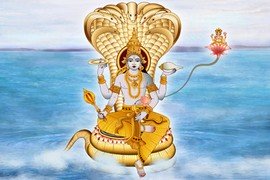
ISKCON devotees can get the complete list of ISKCON Ekadashi fasting dates here. This list will prove highly informative and useful to those who observe the fast of Ekadashi as per the ISKCON.
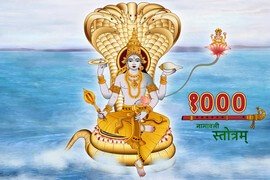
Shri Vishnu Sahasranama Stotram containing 1000 names of Lord Vishnu is given with Sanskrit lyrics and recitation video. This Stotram is recited on various occasions of Vishnu Ji including Ekadashi.
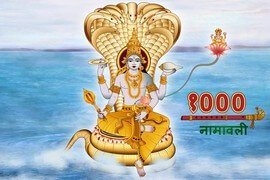
Mantras and names of Lord Vishnu, known as Sahasranamavali is given with meaning and recitation video. These Mantras are chanted on various occasions including Ekadashi.
Shri Vishnu Ashtottarashatanama Stotram dedicated to Lord Vishnu is given with Sanskrit lyrics and recitation video. This Stotram is taken from Vishnu Manjari.
Mantras and Names of Lord Vishnu with meaning and recitation video are given. These Names are also known as Ashtottara Shatanamavali of Lord Vishnu.
Shri Vishnu Chalisa is given with Hindi lyrics and recitation video. Vishnu devotees recite this Chalisa every day. It is called Chalisa because it consists of 40 Chaupayi(s).
Shri Vishnu Shodashanama Stotram containing 16 names of Lord Vishnu is given with Sanskrit lyrics and recitation video. This Stotram is recited on various occasions of Vishnu Ji including Ekadashi.
Shri Vishnu Namashtakam dedicated to Lord Vishnu is given with lyrics and recitation video. Reciting this Ashtakam containing the eight holy names of Lord Vishnu brings blessings from Him
The given Shri Vishnu Dashavatara Stotram is a very melodious and effective Stotram dedicated to the ten incarnations of Lord Vishnu.
The most popular Jai Jagdish Aarti dedicated to Lord Vishnu is given with Hindi lyrics and recitation video. This Aarti is sung during the daily worship of Lord Vishnu.
The list of Mantras used in the worship and chanting of Lord Vishnu is available on this page. Some of these Mantras are legendary and some are Vedic. Along with this, the powerful Yantra of Lord Vishnu can also be seen from this page.
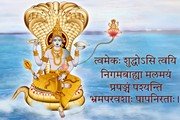
Shri Parameshwara Stuti Stotram is a very important Stotram dedicated to Lord Vishnu. Devotees recite this Stuti to obtain the grace of Lord Vishnu.