



En




Notes: All timings are represented in 12-hour notation in local time of Lancaster, United States with DST adjustment (if applicable).
Hours which are past midnight are suffixed with next day date. In Panchang day starts and ends with sunrise.
According to the Bhavishya Purana and the Matsya Purana, Madana Dwadashi Vrat is observed on the Shukla Paksha Dwadashi Tithi of Chaitra month. As described in the Bhavishya Purana, a person who observes the Madana Dwadashi Vrat on Chaitra Shukla Dwadashi becomes free from all sins and attains the divine state equal to Lord Vishnu. By the great merit of this sacred Vrat, the devotee is blessed with noble sons in this life and lives a life filled with happiness and prosperity. According to another tradition, Vamana Dwadashi Vrat is also observed on this day, during which Lord Vamana is worshipped.
In Hindu Dharma, the Dwadashi Vrat is considered extremely important. It is particularly popular among the followers of the Vaishnava tradition. Each month's Dwadashi has its own significance and spiritual benefits. By the virtue of Madana Dwadashi, Devi Diti pleased Maharshi Kashyapa and received forty-nine sons known as the Marudgana. When King Yudhishthira asked about this Vrat, Lord Krishna described its glory and the method of observance to him.
According to the Bhavishya Purana and the Skanda Purana, on the day of Chaitra Shukla Dwadashi, the devotee should take a Ghata (घट), i.e., Kalasha filled with white rice without any holes and perform Kalasha Sthapana. The Kalasha should be anointed with Shweta Chandana, i.e., white sandal paste and covered with two pieces of white cloth. Near the Kalasha, various seasonal fruits and pieces of sugarcane should be placed. The Kalasha should contain different types of food items and, if possible, pieces of gold should also be placed in it.
Then a Tamra Patra, i.e., copper vessel filled with jaggery should be placed on top of the Kalasha. On a banana leaf placed over this vessel, the images of Lord Kamadeva and Devi Rati made of sugar should be installed. After that, they should be worshipped with sandal paste, incense and other offerings, accompanied by singing and music. If one cannot arrange for music due to lack of resources, one should narrate the stories of Lord Vishnu and Kamadeva. Thereafter, Lord Kamadeva, who is a manifestation of Lord Vishnu, should be bathed with fragrant water and Lord Madhusudana should be worshipped with white flowers, rice grains and sesame seeds.
Then one should perform Sangopang Pujan of Lord Keshava and offer salutations as follows: at His feet as Kamadeva, at His thighs as Saubhagyadata, at His chest as Ananga, at His face as Padmamukha, at His arms as Panchashara and at His head as Sarvatma. In this way, Lord Keshava should be worshipped completely with all His aspects. The next morning, the Kalasha should be donated to a deserving Brahmin. Offer the food to Brahmins respectfully and the devotee should also partake of saltless food. While offering Dakshina, the following Mantra should be recited with devotion -
प्रियतामत्र भगवान् कामरूपी जनार्दनः।
हृदये सर्वभूतानां य आनन्दोऽभिधीयते॥
Priyatamatra Bhagavan Kamarupi Janardanah।
Hridaye Sarvabhutanam Ya Anandoabhidhiyate॥
Meaning - "O Lord Janardana, who exists in the form of Kamadeva and who resides in the hearts of all beings as bliss, may You be pleased with this observance of mine."
This Vrat should be observed every month in the same manner. On Dwadashi, the devotee should eat one Amla or other fruit, sleep on the ground and worship Lord Vishnu the next day on Trayodashi.
After observing the Madana Dwadashi Vrat continuously for twelve months, during the thirteenth month, the devotee should perform the concluding ceremony known as Udyapana. Ghrita Dhenu, i.e., A cow made of Ghee, a complete bed with all accessories, a golden idol of Kamadeva and a white milking cow should be offered to Lord Ananga. All these offerings should then be given to a Brahmin. Afterward, the Brahmin couple should be worshipped with garments, ornaments and fragrance and should be offered a bed and other items while saying, - "Please be pleased." Then a Havana should be performed using Ghee made from cow's milk and white sesame seeds. After this, Brahmins should be fed without any miserliness and sugarcane with flower garlands should be offered to them according to one's capacity.
A person who observes the Madana Dwadashi Vrat according to this procedure is freed from all sins and attains Sarupya Moksha, i.e., liberation in the same form as Lord Vishnu. As a result of this Vrat, one is blessed with sons and grandsons, and his life becomes filled with peace and happiness.
Early in the morning, after completing daily chores, one should bathe in water mixed with jaggery. Then, on a clean altar, place a pot filled with rice. On top of it, put a copper vessel filled with jaggery and install a golden idol of Lord Vishnu. Perform Shodashopachara Puja of Lord Vishnu with sandal paste, flowers and other offerings. Offer sugarcane, various fruits and Naivedya to the Lord and eat one of those fruits as Prasada. Observing this Dwadashi Vrat in this manner for thirteen months ensures that the devotee is never afflicted by grief over the loss of a son.
This story narrates how Goddess Diti obtained forty-nine Marutgana as sons through the merit of the Madana Dwadashi Vrat. The story is read and listened to on Chaitra Shukla Dwadashi when Madana Dwadashi is observed. According to Hindu scriptures, Vamana Dwadashi Vrat is also observed on this day.
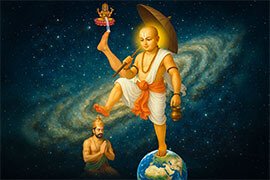
Shukla Dwadashi of the Chaitra month is known as Vamana Dwadashi. Lord Vishnu was incarnated as Lord Vamana to help the Devas. This day is especially dear to Lord Vishnu and observing a fast on this day brings peace and happiness to one's life.
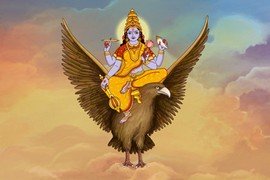
A complete list of Ekadashi dates is given here. Go through the Ekadashi fasting dates list here so that you never miss fasting on Ekadashi. Ekadashi fast is observed with great enthusiasm by the devotees of Lord Vishnu.
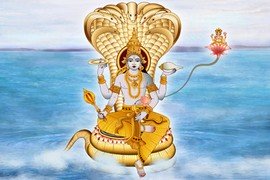
ISKCON devotees can get the complete list of ISKCON Ekadashi fasting dates here. This list will prove highly informative and useful to those who observe the fast of Ekadashi as per the ISKCON.
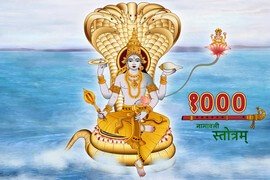
Shri Vishnu Sahasranama Stotram containing 1000 names of Lord Vishnu is given with Sanskrit lyrics and recitation video. This Stotram is recited on various occasions of Vishnu Ji including Ekadashi.
Mantras and names of Lord Vishnu, known as Sahasranamavali is given with meaning and recitation video. These Mantras are chanted on various occasions including Ekadashi.
Shri Vishnu Ashtottarashatanama Stotram dedicated to Lord Vishnu is given with Sanskrit lyrics and recitation video. This Stotram is taken from Vishnu Manjari.
Mantras and Names of Lord Vishnu with meaning and recitation video are given. These Names are also known as Ashtottara Shatanamavali of Lord Vishnu.
Shri Vishnu Chalisa is given with Hindi lyrics and recitation video. Vishnu devotees recite this Chalisa every day. It is called Chalisa because it consists of 40 Chaupayi(s).
Shri Vishnu Shodashanama Stotram containing 16 names of Lord Vishnu is given with Sanskrit lyrics and recitation video. This Stotram is recited on various occasions of Vishnu Ji including Ekadashi.
Shri Vishnu Namashtakam dedicated to Lord Vishnu is given with lyrics and recitation video. Reciting this Ashtakam containing the eight holy names of Lord Vishnu brings blessings from Him
The given Shri Vishnu Dashavatara Stotram is a very melodious and effective Stotram dedicated to the ten incarnations of Lord Vishnu.
The most popular Jai Jagdish Aarti dedicated to Lord Vishnu is given with Hindi lyrics and recitation video. This Aarti is sung during the daily worship of Lord Vishnu.

The list of Mantras used in the worship and chanting of Lord Vishnu is available on this page. Some of these Mantras are legendary and some are Vedic. Along with this, the powerful Yantra of Lord Vishnu can also be seen from this page.
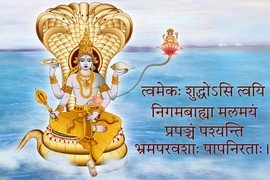
Shri Parameshwara Stuti Stotram is a very important Stotram dedicated to Lord Vishnu. Devotees recite this Stuti to obtain the grace of Lord Vishnu.